

























































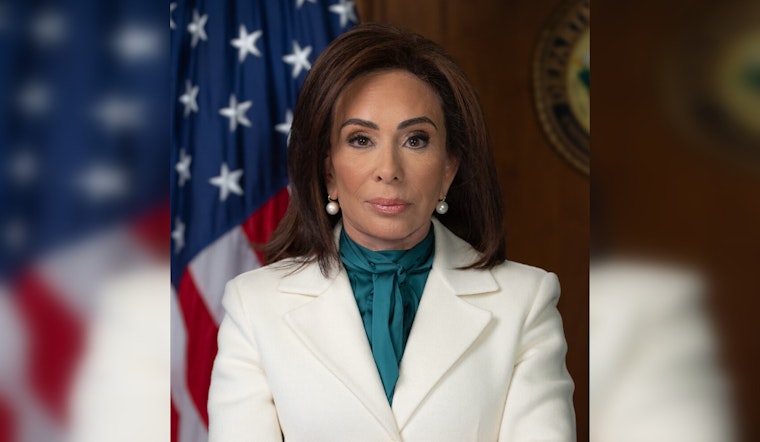
The U.S. attorney for Washington, D.C., is reportedly trying to pry loose records on payouts used to settle misconduct claims against members of Congress, the kind of financial trail lawmakers would probably prefer stay buried. If the effort succeeds, it could expose decades of secret agreements and kick off a fight over whether taxpayers should be paid back for money used to smooth over workplace disputes.
Local talk-radio guests and legal commentators told a Chambersburg station that investigators may be able to cut through nondisclosure agreements and ultimately force disclosure votes in the House. The mere prospect has revived long-running questions about whether public funds ever should have been tapped to resolve these claims and who would be on the hook if the names and dollar amounts finally come out.
As reported by Tri-State Alert, attorney Clint Barkdoll told hosts that U.S. Attorney Jeanine Pirro's office is pursuing material that "could pierce these NDAs" because sources are now speaking in the context of a criminal probe. Barkdoll floated the idea that members such as John Joyce, Scott Perry or April McClain Delaney could attempt a discharge petition to force disclosure on the House floor, and the station's hosts argued that taxpayers should be reimbursed if those settlements were paid out of public accounts.
Jeanine Pirro was confirmed to serve as the U.S. attorney for the District of Columbia in 2025, according to the Senate roll call. Congress.gov records her nomination and confirmation, while national coverage highlighted how contentious the process was and the considerable authority her office now wields over federal matters in the capital. CBS News reported on the vote and the scrutiny surrounding the appointment.
History: Taxpayer-Funded Settlements
Disclosures in recent years revealed that an account used for workplace dispute resolution on Capitol Hill has been tapped to pay awards and settlements totaling roughly $17 million over about two decades. The Washington Post and contemporaneous reporting documented those payouts and helped spur 2018 reforms meant to make the process more transparent. Axios chronicled the bipartisan push to require reimbursement and expand public reporting around such settlements.
Can NDAs Be Pierced?
Confidentiality clauses are standard in settlement agreements, but contract-drafting guides and legal practice notes routinely acknowledge carve-outs for disclosures that are compelled by law or necessary for cooperating with investigators. In other words, a criminal inquiry can weaken the shield an NDA normally provides.
Guides from Lighthouse Clauses point to common exceptions for compelled disclosures and law-enforcement cooperation. As Tri-State Alert reported, Barkdoll suggested Pirro's team could argue that those exceptions now apply, since sources are engaging with investigators who are probing how the congressional settlement funds were used.
Political Fallout Could Follow
Pressure to unmask past settlements has not fallen neatly along party lines, but some House Republicans have been especially vocal, publicly calling the setup a "slush fund" and urging fresh investigations into how the money was awarded. The Washington Examiner recently detailed GOP moves to push the issue, while advocates across the spectrum argue that lingering secrecy makes it hard for the public to judge whether the 2018 reforms did what they were supposed to do.
If prosecutors secure the records they are reportedly hunting for, or if the House is forced into a floor vote, the consequences could ripple through members' reputations, pensions and post‑Congress careers. Lawmakers who thought old settlements were safely buried in a line item could find those deals suddenly back in the headlines.
For now, the hunt for records lives in a gray area between local reporting and national debate. Pirro's office has not issued a public statement announcing a formal, wide-ranging request for congressional settlement files, and congressional leaders remain split on how to balance transparency with due process. Open-government advocates say that naming names and listing amounts would be a key step toward restoring public trust, while some lawmakers warn that exposing decades-old agreements too quickly could harm people who were never charged with crimes.
We will be watching for official filings, Department of Justice statements and any committee moves that turn this once-obscure workplace account into a full-blown public record.


