

























































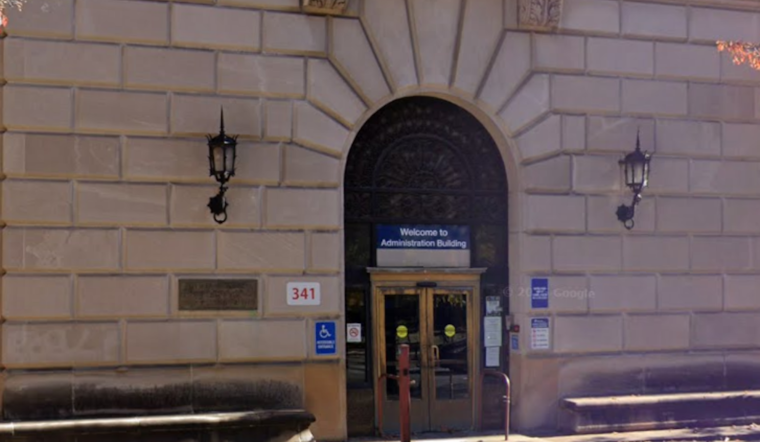
Pittsburgh Public Schools is weighing a policy tweak that could put classroom culture and parental rights on a collision course, as the district considers requiring teachers to warn families when lessons might clash with a parent's "sincerely held" religious beliefs, including instruction that touches on LGBTQ topics.
What the district is proposing
Under the draft amendment, staff would have to "provide reasonable and realistic advance notice to parents/guardians when instruction is planned that may conflict with sincerely held religious beliefs," and the district would send annual reminders about families' opt-out rights, according to 90.5 WESA.
PPS solicitor Ira Weiss told the station the changes are meant to codify the district's existing practice rather than overhaul it, and to reduce the odds that the district gets dragged into court over what is taught - or read aloud - in class.
The Supreme Court ruling that prompted the change
The move in Pittsburgh does not come out of nowhere. Last June, the U.S. Supreme Court in Mahmoud v. Taylor said public schools cannot categorically deny parents the ability to opt their children out of lessons that include LGBTQ characters or themes, and it issued an injunction restoring opt-out rights in that Montgomery County, Maryland, dispute.
The majority opinion, released June 27, 2025, left districts nationwide with thorny implementation questions about where parental objection ends and basic exposure to diverse stories begins. The details are laid out in the Court's slip opinion, available from the U.S. Supreme Court.
Local precedent: Mt. Lebanon case
Western Pennsylvania has already had its own test case. In September 2024, a judge in the Western District of Pennsylvania ruled that the Mt. Lebanon School District violated parents' rights when it did not offer an opt-out after a first grade teacher read two picture books with transgender themes - "When Aidan Became a Brother" and "Introducing Teddy" - and ordered the district to put notice and opt-out procedures in place, as reported by the Pittsburgh Post-Gazette.
That ruling put districts in the region on alert that courts were prepared to scrutinize how administrators balance inclusive curricula with parental religious objections, and it gave lawyers and advocates a local roadmap for challenging or defending policy choices.
Advocates and teachers raise concerns
Civil rights and education advocates say policies like the one Pittsburgh is studying can sound simple on paper, but get messy in practice. Narrowly written notice rules, they argue, can push teachers to pre-clear classroom materials or steer clear of spontaneous discussion that might touch on LGBTQ people or other sensitive topics, shifting extra work and anxiety onto already stretched staff.
Kristina Moon, a senior attorney with the Education Law Center, has warned about the spread of similar board-level policies across Pennsylvania and urged caution about their ripple effects on students and teachers, according to The Hechinger Report. Critics worry that what starts as a religious exemption process can end up chilling everyday classroom conversations about families, identity, and current events.
How implementation could play out
Legal analysts point out that the Supreme Court's Mahmoud ruling was highly fact-specific and offered only a preliminary remedy, not a sweeping final word on opt-outs. That leaves districts room to craft relatively narrow notice procedures instead of broad, open-ended exemptions that could gut parts of the curriculum.
Even so, Justice Sonia Sotomayor warned in dissent that the majority's approach could have a "chilling effect" on districts, signaling that fear of lawsuits could lead school systems to overcorrect. Commentators say annual opt-out notices layered on top of ad hoc excusals for particular lessons could create real logistical headaches for teachers and administrators who are already juggling packed schedules and state standards, a tension explored in reporting by K-12 Dive.
What's next
The PPS board is slated to vote on the proposed amendment next week. District officials have framed the move as a way to spell out existing notice practices and stay ahead of potential litigation, according to 90.5 WESA.
For now, the debate playing out in Pittsburgh mirrors a national tug of war between parents invoking religious liberty and educators trying to maintain inclusive classrooms. Precisely where the district draws that line - and how smoothly teachers can live with it - will become clearer if and when the board signs off on the change.





