

























































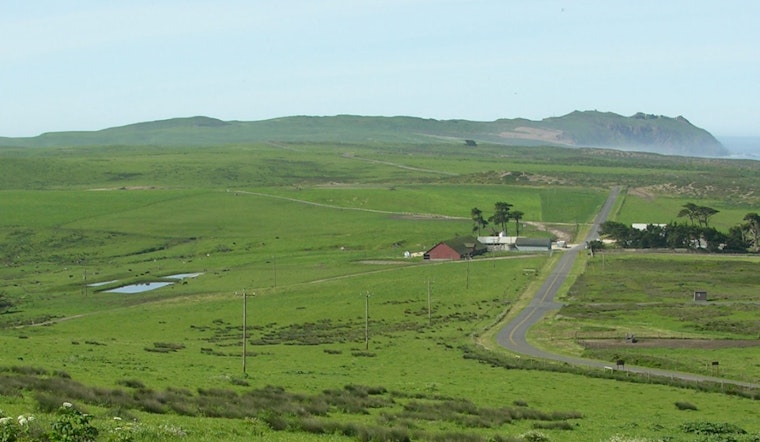
On April 8, the daily sounds of cattle and dairy work on the Point Reyes peninsula are set to fade out. On that date, most commercial ranching will end as about a dozen family operations shut down under a confidential deal that hands large stretches of parkland back to conservation. The move follows a long and largely closed-door mediation process that has left many ranch hands, tenants and their families scrambling for housing and new paychecks. For West Marin, it is both a conservation milestone and a wrenching close to a 167-year local tradition.
Federal deal returns land to conservation
The National Park Service has signed off on a revised record of decision tied to a settlement that resolves litigation over ranching at Point Reyes and lays out an orderly wind-down of most leases. According to Point Reyes National Seashore, The Nature Conservancy entered private payment agreements with departing ranchers and will work with the park on restoration projects and cooperative agreements. The settlement spells out wind-down and lease-termination tools and confirms that payment agreements between The Nature Conservancy and departing ranchers are confidential.
Money, buyouts and who stays
Local reporting and park documents indicate that roughly 11 families agreed to a voluntary buyout that media accounts say totals about $30 million, financed by The Nature Conservancy. As reported by SFGATE, departing ranchers received roughly $2 million to $3 million each, while ranch workers were given payments in the range of $70,000 to $100,000. The Press Democrat has also detailed the private fundraising drive behind the buyouts and the anger in some corners over how quietly the deal-making unfolded.
Workers and tenants left scrambling
Dozens of non-owner residents, many of them Spanish-speaking ranch hands and tenants, were not included in the direct negotiations and now face displacement from on-site housing. Bay City News Service reporting republished by Local News Matters describes how looming deadlines pushed many families to start moving out months before the formal closure date, while community groups scrambled to line up temporary housing. The Community Land Trust Association of West Marin (CLAM) is creating a 14-unit tiny-home village and offering other transition support, according to local officials.
What will change on the ground
Park maps and reports show that lands vacated by departing operators will be rezoned away from commercial grazing and toward a scenic-landscape model that prioritizes conservation and public access. Local reporting and park documents describe plans to pull out miles of fencing, allow tule elk to expand their range, and keep a smaller number of long-term leases operating in other zones, with the specifics of which ranches stay on covered in local outlets. NorthBay Business Journal has reported on the land-use changes and which operations are expected to continue for now.
Legal fallout and sealed deals
The settlement itself spells out that the private Payment Agreements between The Nature Conservancy and departing ranchers are confidential, language that appears explicitly in the signed document. The agreement and its Wind-Down provisions set a schedule for closures and lease terminations while preserving the Park Service's authority to manage the lands, according to the National Park Service. Meanwhile, legal efforts by ranch tenants to gain formal representation and halt evictions were rejected in federal court, and a separate suit brought by tenants was dismissed, leaving residents with few remaining options, as reported by Bay City News Service via Local News Matters.
Local response and what's next
Reaction has split the community. Conservation groups are celebrating what they see as long-awaited habitat recovery and expanded range for tule elk, while many local residents and ranch advocates criticize the secrecy around private fundraising and the lack of stronger protections for workers. The Press Democrat has detailed private donor events and the broader debate over whether the buyouts should have included more direct support for displaced workers and their families. County and nonprofit leaders say they are trying to assemble short-term housing and job assistance even as the shutdowns move ahead.
Officials say the point of the shift is to let the seashore's riparian areas, grasslands and tule elk populations recover while keeping the park open and appealing to the roughly 2.4 million people who visit each year, according to National Park Service materials. For West Marin, the impact will be felt not just in acres restored but in local schools and shops and in the lives of generations who built their futures around ranching, a complicated handoff that will continue long after the last barn is emptied.





