

























































At a statewide Republican forum this week, Oregon's GOP gubernatorial hopefuls hurled a barrage of startling numbers about homelessness, education and government spending, yet a closer look shows many of those figures wobbling under scrutiny. A fact-check of the second debate found that several of the buzziest claims were misleading, unsupported or stripped of key context. For voters trying to tell the difference between policy and pure performance, the night delivered plenty of sound bites but not always solid data behind them.
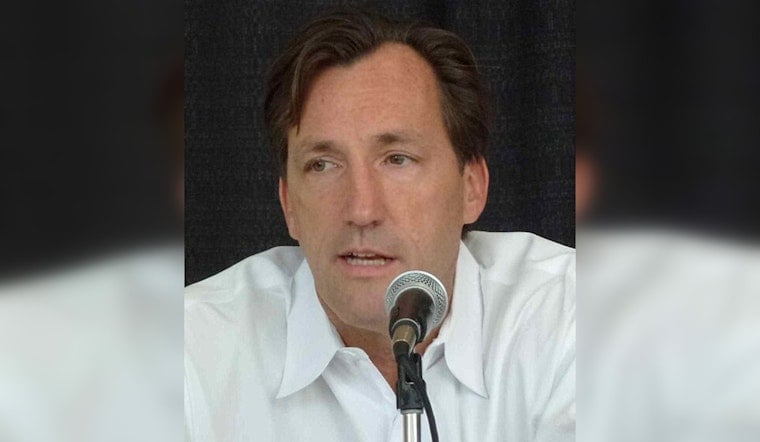
Reporting by The Oregonian/OregonLive spotlighted a handful of the most dramatic misfires. Former NBA player Chris Dudley told viewers that children who are not literate by fourth grade have a 70% chance of later incarceration, a statistic the outlet found was not backed up by available evidence. The same story flagged Dudley’s assertion that 40% of high-school graduates need remedial classes and his claim that Portland spent $1.5 billion in the last biennium while homelessness rose 35% as misleading or missing essential context. Reporters followed up with campaigns, asking for documentation and clearer definitions when candidates leaned on vague or sweeping numbers.
Where The Candidates Stood Onstage
The forum, held during a statewide Republican conference, brought Christine Drazan, Ed Diehl, Chris Dudley and other contenders to the same stage to pitch sharply different paths for Oregon. Coverage by the Oregon Capital Chronicle noted the candidates' repeated calls for tighter state spending, tougher public-safety measures and pointed attacks on Portland's downtown economy. The aggressive tone, mixed with a steady stream of statistics, practically guaranteed that fact-checkers would be busy once the lights went down.
Data Disputes: Payroll, Vacancies And Jail Staffing
The Oregonian/OregonLive also broke down several of the night’s more specific statistical clashes. Ed Diehl claimed that state payroll had jumped 47% along with 4,000 new state employees, but the state data the paper reviewed showed executive-branch payroll rising from roughly $3.0 billion to $4.2 billion and headcount increasing by about 3,000. Christine Drazan described downtown Portland as having a 40% to 80% vacancy rate, a range the outlet called misleading when compared with industry yardsticks such as CBRE's Q1 2026 numbers. And local officials told reporters that Klamath County had dozens of jail positions, with about a quarter of them on paid leave, while one on-the-record source put line-staff on paid leave closer to 42%. Those gaps illustrate how big percentages and eye-popping dollar amounts can be technically accurate within very narrow frames yet still mislead when dropped into a televised debate without explanation.
What Voters Should Watch Next
Fact-checking is not just a sport here, it is one of the few tools voters have to cut through the campaign fog and see what is real. As Oregon’s primary season grinds on, candidates are likely to keep tossing out bold statistics, and the pressure will grow for them to show their work. Watch for campaigns to release the sources behind their favorite talking points and for reporters to keep asking how those figures connect to concrete plans. In the end, the credibility of the numbers may matter just as much as the slogans in deciding who is ready to run Oregon’s government.





.jpg)