

























































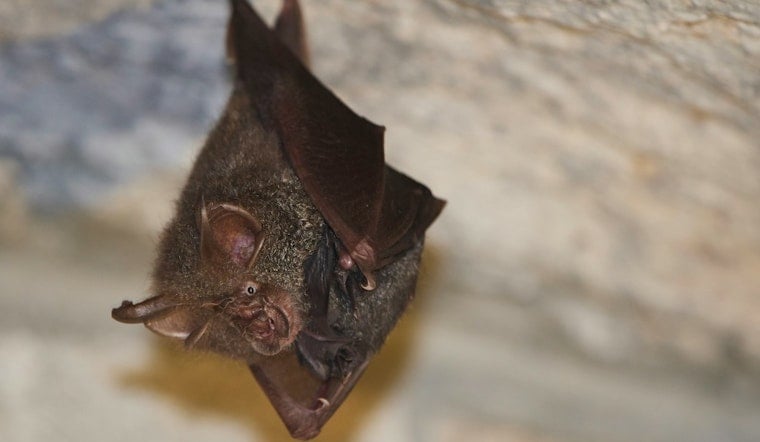
Late on a Friday afternoon at Fullerton College, what looked like just another bat on a campus step turned out to be a serious health concern. The animal, found around 3:30 p.m. on April 17 near the music building, later tested positive for rabies, according to county health officials. There are no reports of anyone getting sick, but public‑health teams are urging anyone who might have touched the bat to speak up and get checked.
What Officials Want You To Do
As reported by NBC Los Angeles, the Orange County Health Care Agency is asking anyone who may have handled the bat or seen someone else do so to call the county’s Communicable Disease Control Division at 714‑834‑8180 to determine their risk. Pet owners who think a dog or cat might have come into contact with the animal are being told to call their veterinarian as well.
Health officials are stressing that bat bites can be tiny and easy to miss. Even a quick encounter that seemed harmless at the time might still call for preventive treatment, so they would rather people overreact than shrug it off.
County’s Rabies Playbook
Per the Orange County Health Care Agency, residents are urged to steer clear of wild animals, keep all household pets current on rabies vaccinations, and close doors and windows before going to sleep. The county also advises against leaving pet food outdoors and reminds people to report animal bites to OC Animal Care so possible exposures can be checked out.
None of this is brand‑new guidance. These are the standard rabies precautions that the county likes to repeat every time a rabid wild animal turns up, just to keep everyone on their toes.
Why Quick Action Matters
According to the Centers for Disease Control and Prevention, rabies spreads through the saliva of infected animals and, once clinical symptoms show up, it is almost always fatal. That is why getting prompt post‑exposure prophylaxis, or PEP, is so important.
PEP, which includes thorough wound washing, rabies immune globulin when needed, and a short vaccine series, is highly effective if started before symptoms develop. Bats are one of the leading sources of human rabies cases in the United States, and their small teeth can leave bites or scratches that people never notice.
If You Were Near The Music Building
Anyone who was on or near the Fullerton College music building on April 17 and thinks they might have touched the bat, or saw someone else make contact with it, should call the county public‑health line or talk with their health care provider right away to get advice.
Pet owners should reach out to their veterinarian and report any suspected pet exposure. OC Animal Care recommends calling 714‑935‑6848 if you find a bat inside your home so officials can arrange safe collection. If you do spot a bat indoors, the guidance is to close off the room, keep people and pets away, and not try to handle the animal yourself.
Not The First Rabid Bat This Year
County officials say this is not a one‑off incident. Rabid bats have been found in other parts of Orange County this year too, and while such discoveries are not everyday events, they are not unheard of.
The Orange County Health Care Agency documented a rabid bat at O’Neill Regional Park in Rancho Santa Margarita on January 20, 2026, and says it will keep up routine wildlife surveillance. Local officials are repeating the same message they give every time one of these cases turns up: report possible exposures quickly and get evaluated, because that is still the best way to prevent a deadly infection.





