

























































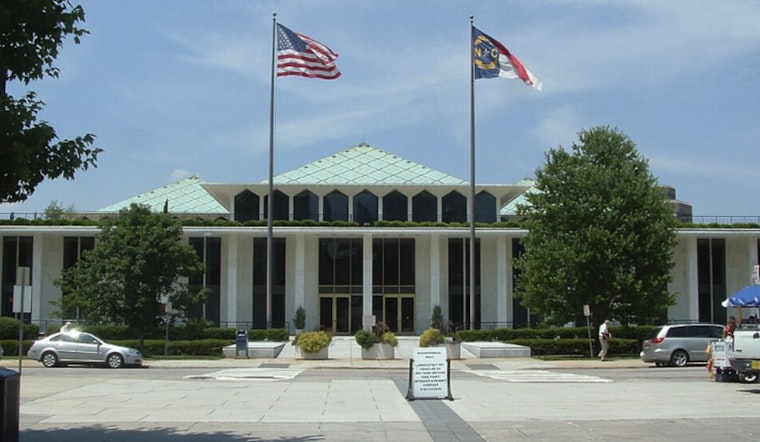
Some of North Carolina's most powerful lawmakers have been leaning on campaign accounts to cover the basics of Raleigh life, from apartment rent to regular restaurant tabs. Recent disclosures, filed in 2025 and early 2026, show tens of thousands of dollars in donor money going to downtown apartments, out-of-state trips and a steady stream of meal charges that now sit in public campaign reports. Together, they reveal how legislators patch a modest official salary with allowances and campaign spending to keep themselves housed, fed and moving around the capital.
What the filings show
According to The News & Observer, House Majority Leader Brenden Jones' campaign committee reported paying roughly $14,000 in 2025 to a downtown Raleigh apartment complex, along with about $3,700 in legislative meal expenses. The paper also noted that House Speaker Destin Hall's committee reported nearly $11,000 in rent, and that Senate leader Phil Berger's reports showed recurring rent and office payments during 2025. The entries range from one-off reimbursements to monthly charges and payments to staff or vendors, and critics say those patterns can blur the line between campaign work and ordinary living costs.
Names, numbers and public records
Campaign payee data compiled by Transparency USA show the Brenden Jones committee paying "The Metropolitan Apartments" about $13,988.85, a figure that lines up with The News & Observer's tally. Similar types of payments appear in other leadership committees. Prior reporting by WRAL has also highlighted campaigns paying commercial rent in arrangements that, in some cases, benefitted officeholders or their own firms. Put together, the public records sketch out a system where campaign money often underwrites lodging, office space and travel for lawmakers who spend lengthy stretches in Raleigh.
What the rules allow
In March 2024, the State Board of Elections issued a declaratory ruling that campaign funds may be used for meals, lodging and travel when those costs "result from holding public office" and are not fully reimbursed by the state. The board paired that flexibility with a warning. Treasurers must be able to show documentation, avoid any double reimbursement and steer clear of payments that look like personal enrichment. Mileage logs, receipts and contemporaneous records are supposed to back up every reimbursement and help prove the spending is tied to official duties rather than a subsidized lifestyle.
Allowance math
That room in the rules matters because North Carolina lawmakers are not exactly raking it in on paper. Members receive a base salary of about $13,951 a year, a $104 daily in-session subsistence payment and a monthly expense allowance. Those figures appear in state compensation tables, including a compilation from the National Conference of State Legislatures. Modest as those official amounts are, leadership supplements are higher, and campaign dollars can significantly change a lawmaker's practical take-home pay or housing options while they are parked in Raleigh for the job.
Watchdogs push back
Ethics advocates say the pattern is a red flag that should prompt clearer rules and tougher oversight. WRAL's earlier reporting on campaigns that paid rent to offices owned by candidates quoted watchdogs who argued the practice "appears to violate the spirit if not the letter of the law." The News & Observer's review of 2025 filings has revived that debate, with critics again questioning whether voters really meant to fund apartments and recurring rent when they cut donation checks. Lawmakers and campaign officials contacted in those reports have generally responded that they follow existing guidance and that the payments reimburse legitimate office, travel or subsistence costs.
Legal implications
State campaign finance law allows candidate committees to spend money only on campaign-related purposes or on expenses that "result from holding public office." The State Board of Elections has the job of interpreting those rules and investigating complaints. Its March 2024 declaratory ruling, along with North Carolina's campaign finance statutes, spells out what can count as an in-scope expenditure, how it must be reported and what penalties can apply if funds are misused. For candidate committees, the message is not subtle: careful reporting and detailed records are the first line of defense against accusations that campaign accounts have drifted into personal-use territory.
What's next
Watchdog groups say they plan to push the State Board of Elections for tighter guidance and more consistent enforcement. The latest filings could also lead to fresh requests for advisory opinions or targeted audits of specific committees. Lawmakers and campaign treasurers maintain that they are operating within the rules as written, but the public disclosures have ensured that how campaigns classify rent, meals and travel will stay under the microscope. For now, the records show that campaign dollars and official allowances work together to define the real cost of serving in North Carolina's capital, and that voters get to decide how comfortable they are with that math.



