

























































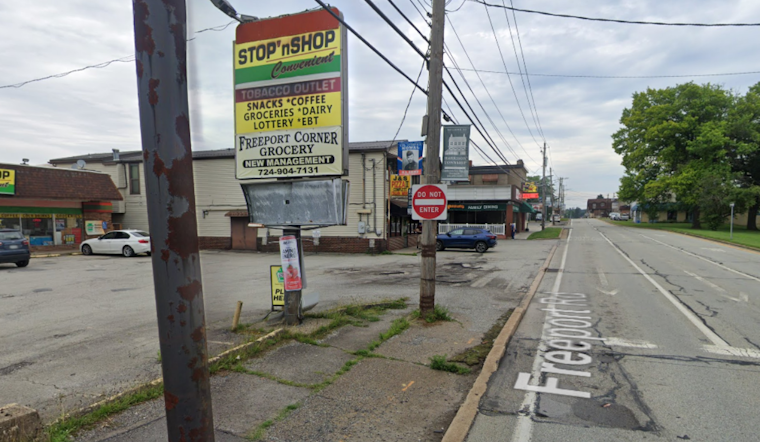
A whiff of gasoline at the top of Spring Hill Road turned into a full-blown environmental headache in Harrison Township, where crews have uncovered ten underground fuel tanks believed to be nearly a century old beneath the parking lot of the Stop'n Shop at Spring Hill and Freeport roads. Groundwater samples taken at the scene confirmed gasoline contamination, and officials say several of the buried tanks are in rough shape, triggering a state-led excavation.
State crews with the Pennsylvania Department of Environmental Protection are now tearing into the lot and working with a local contractor to pull the tanks out and test contaminated soil and water so it can be handled and disposed of safely. A DEP spokesperson said remediation is underway to address an “imminent and substantial threat to public health and welfare,” and the operation is expected to last at least a month, officials told WTAE. So far, ten tanks have been located as crews dig deeper beneath the convenience-store lot.
Old Tanks, Modern Rules
Pennsylvania’s Storage Tank and Spill Prevention Act, known as Act 32 of 1989, set up today’s system for registering, testing, and cleaning up underground storage tanks. Tanks installed long before 1989 would not have been registered under those rules, which now complicates who is responsible and how cleanup moves forward under the law; see the text of Act 32. The DEP’s Storage Tank Cleanup Program spells out how spills are reported and what corrective action must happen, including sampling, cleanup standards, and disposal of contaminated material.
What Crews Found
Ground-penetrating radar first tipped investigators off to the cluster of tanks lurking beneath the Stop'n Shop parking lot. Local reporting says the tanks date back to 1929 and are “structurally compromised.” As reported by TribLIVE, their age and condition help explain why they never showed up in state registration records. Crews are sampling soil and groundwater to map the contamination plume and figure out what it will take to remove the tanks and dispose of everything they have polluted.
The find is a reminder that old fuel infrastructure can still be hiding under everyday development. DEP tracks more than 21,000 registered underground tanks across Pennsylvania, but officials say no one knows how many unregistered tanks remain buried, WTAE reported. Residents who notice strong gasoline odors, have concerns about groundwater, or rely on private wells can find reporting instructions and cleanup resources on the DEP’s Storage Tank Cleanup Program page.





