

























































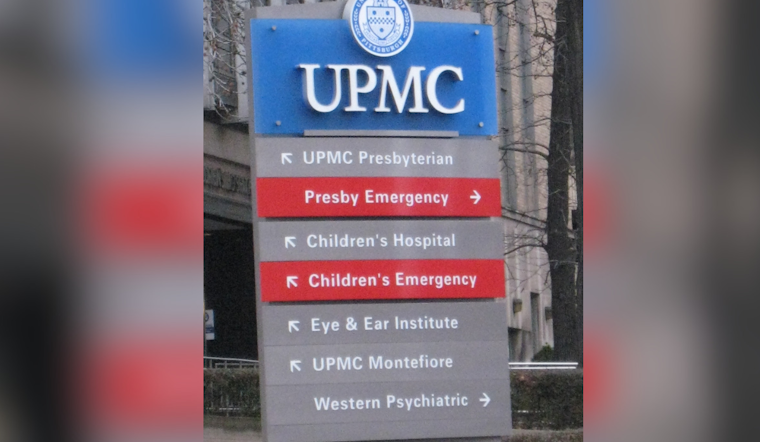
A UPMC emergency toxicologist is sounding the alarm that medetomidine, a veterinary sedative nicknamed "rhino tranq," is increasingly turning up in Pittsburgh's fentanyl supply. Doctors say the combo can leave people heavily sedated even after naloxone, which is pushing more patients into intensive care and keeping them in the hospital longer for monitoring.
What doctors are seeing
Dr. Michael Lynch, an emergency physician and toxicologist at UPMC, told Pittsburgh's Action News 4 that medetomidine "is present in about 85% or so of the illicit opioid supply in Allegheny County" and that naloxone "does not work on medetomidine," as reported by WTAE. Lynch said emergency visits linked to the sedative climbed through 2024 into mid-2025 and have stayed at very high levels since.
Local testing shows medetomidine spiking
Those front-line reports match what the labs are finding. The Allegheny County Health Department's August 2025 substance brief shows more than 1,000 medetomidine-positive samples since January 2024, and it found medetomidine in 71% of fentanyl samples tested so far in 2025, with 91% of medetomidine-positive samples also containing fentanyl, according to the Allegheny County Health Department. The brief also notes that medetomidine often shows up alongside other sedatives and stimulants, turning many street doses into a chemical grab bag.
Federal advisory and national spread
The problem is not staying local. In April 2026, the White House Office of National Drug Control Policy and the CDC issued a Health Advisory saying detections of medetomidine in seized samples jumped from 247 in 2023 to 8,233 in 2025, and urged health systems to prepare for severe withdrawal and prolonged sedation, per ONDCP and CDC. The advisory pulls together testing from 20 sentinel sites and emphasizes that naloxone should still be given to reverse opioid-driven respiratory depression, but warns that medetomidine's sedative punch can linger even when breathing is restored.
Clinicians face a different withdrawal
A CDC MMWR report described 23 Pittsburgh patients treated between October 2024 and March 2025 who developed severe autonomic hyperactivity after stopping illegally manufactured opioids, with most requiring ICU care and nine of ten in a detailed subset receiving dexmedetomidine infusions to control life-threatening symptoms, according to CDC's MMWR. The report cautions that routine urine drug screens can miss medetomidine, and it urges clinicians to be ready for patients to deteriorate quickly and to need complicated withdrawal management rather than a standard opioid detox.
How to respond in an overdose
Local harm-reduction messaging has not changed the basics. Call 911, start rescue breathing, and give naloxone to get someone breathing again, even if they stay very sedated afterward, per Prevention Point Pittsburgh. First responders advise using enough naloxone to restore adequate breathing, then focusing on close observation and respiratory support instead of assuming that repeated naloxone doses will fully clear the sedative effects.
Where to get help
Allegheny County maintains an online Overdose Dashboard with local resources, naloxone distribution sites, and treatment contacts, and people seeking help or information can use the county's resource page for current listings and hotlines, per the Allegheny County Health Department. Community programs continue to provide drug checking, clean supplies, and help navigate care for people who use drugs, while local clinicians and public health officials scramble to keep up with a supply that is changing faster than the system built to respond to it.



