

























































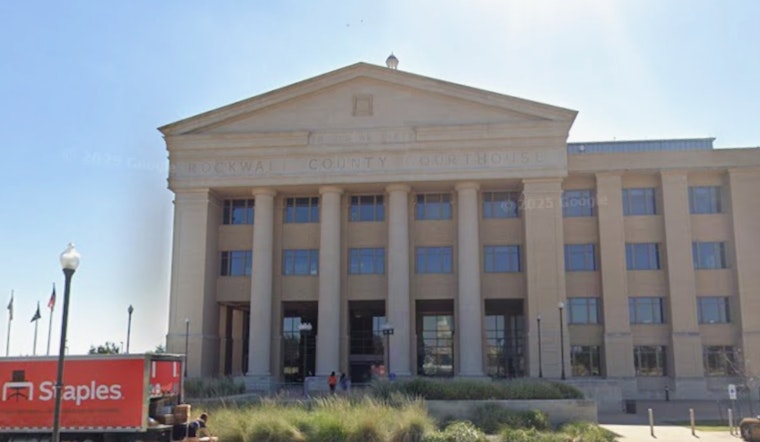
On April 6, a state judge shut down D.R. Horton’s attempt to avoid Rockwall County’s infrastructure fees for a huge planned community, keeping the county’s cost-sharing rules alive and pushing both sides into mediation. The order denies the builder’s partial summary judgment request and preserves the county’s ability to seek developer contributions as long as the demands line up with state law. At the heart of the fight is River Rock Trails, a sprawling development planned in an unincorporated stretch of southern Rockwall County.
The ruling stems from a lawsuit filed by D.R. Horton and an affiliated land seller, who argue the county is asking for more than Texas law allows. A senior judge rejected that argument and ordered the parties to mediation, according to The Real Deal. The outlet reports the court agreed that certain infrastructure items listed in Rockwall County’s subdivision rules can count as legitimate costs under the Texas code. If the parties cannot settle in mediation, the court could set a trial to decide whether the county’s math passes the “roughly proportionate” legal test.
The early phase of River Rock Trails is not small. Phase one covers about 85 acres and 418 homes, as reported by the Dallas Business Journal. D.R. Horton has also disclosed in its own filings that it holds rights to roughly 1,878 acres in Rockwall County. See the SEC for the company’s land purchase details. Put together, those numbers hint at the scale of new roads, water lines and public safety coverage county officials say will be needed as the project builds out.
County records show that Rockwall commissioners have repeatedly wrestled with how to split those costs. Official agendas and minutes reflect several denials of preliminary plats tied to River Rock Trails, with commissioners citing unresolved questions about water service and law enforcement coverage. The county also met in closed session with its lawyers. See Rockwall County for background on those discussions. County notices and filings indicate the developer first appealed the apportionment numbers to the commissioners court, and only turned to the courts after that challenge went nowhere.
In filings cited in coverage of the case, D.R. Horton offered about $338,867 for road improvements and around $529,424 to fund two additional sheriff’s deputies to handle added public safety needs. County officials turned those offers down, according to The Real Deal. The builder argues that some of the 16 infrastructure items identified by Rockwall County cannot legally be tacked onto a project at the preliminary plat stage. County leaders counter that the list reflects real-world strain on existing residents when thousands of new homes arrive without enough streets, water capacity or deputies to match.
Legal Context
The fight hinges on Section 232.110 of the Texas Local Government Code, which lets counties require developers to cover a share of infrastructure costs as long as the bill is “roughly proportionate” to a project’s impact. See the Texas Legislature for the statutory test. The judge’s order found that at least some of the items listed in Rockwall County’s subdivision rules can qualify as county infrastructure under that standard. County officials, including County Judge Frank New in a public posting, say they are trying to keep fast growth from shifting the tab onto existing taxpayers. See Rockwall County for the county’s statement.
What’s Next
The court has ordered the parties into mediation, with deadlines for D.R. Horton and Rockwall County to try to strike a deal before any trial date is set. If talks fall apart, the case could become a closely watched example of how fast-growing counties on the edge of Dallas can push developers to pay for roads, utilities and public services. Planners and county officials across Texas will be watching to see whether a negotiated compromise or a courtroom ruling ends up drawing the line on who pays for growth, and how much.





