

























































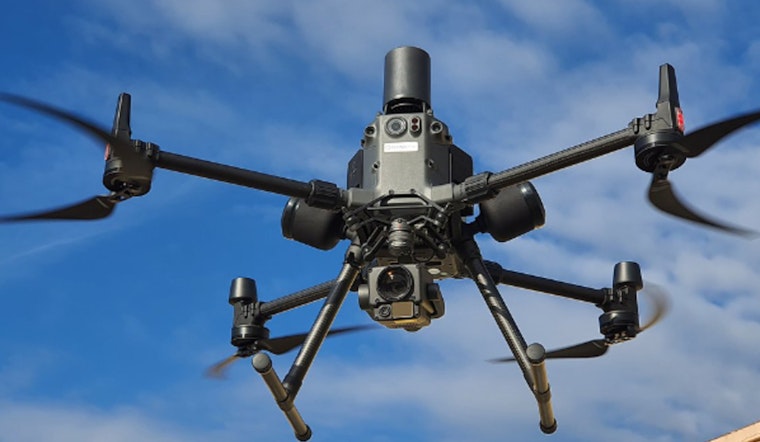
One careless drone flight is all it takes to pull life-saving aircraft out of a California wildfire fight. State fire officials warned Sunday that unauthorized drones can force firefighting planes and helicopters to land, stripping active fires of crucial retardant drops, aerial scouting, and even medevac support right when ground crews are counting on help from above.
As CAL FIRE's public information officer put it in a video post on X, "Flying a drone near an active wildfire isn't just dangerous - it's illegal. If you fly, we can't." The agency urged hobbyists to keep drones on the ground anywhere near fires so firefighting aircraft can work without costly delays.
How One Drone Can Shut Down A Sky Full Of Aircraft
Airtankers, lead planes, and helicopters attack wildfires at low altitudes and in tight, banking turns, which is exactly the slice of sky where recreational drones tend to operate. The U.S. Forest Service warns that unauthorized unmanned aircraft over wildfires or inside Temporary Flight Restrictions can force incident commanders to halt aerial operations until the airspace is verified clear, potentially leaving firefighters without essential support, according to the U.S. Forest Service. Federal advisories and agency guidance say that the moment a drone is spotted, water or retardant drops can be stopped on the spot until the device is gone.
High Profile Collision Over The Palisades Fire
In January 2025, a privately flown drone actually hit a Canadair "Super Scooper" that was making drops on the Palisades Fire, punching a hole in the wing and sidelining the aircraft for repairs, local officials said. The Los Angeles Times reported that the FAA opened an investigation into the midair collision and that aerial capacity over the blaze took a hit while the damaged plane sat on the ground.
Federal prosecutors later followed up with enforcement action. The drone operator agreed to plead guilty to unsafe operation of an unmanned aircraft and faced restitution and community service requirements, underscoring the legal fallout when private flights interfere with wildfire suppression, AP News reported.
Stiff Penalties And A Push For Tougher Local Fines
On the federal side, Congress has authorized civil penalties up to $20,000 for anyone who knowingly or recklessly interferes with wildfire suppression, and the FAA's wildfire toolkit stresses that busting a TFR or disrupting aerial operations can trigger enforcement. The FAA also publishes guidance on how Temporary Flight Restrictions work and how pilots can look up active TFRs before launch. In California, some lawmakers want even sharper teeth: Assemblymember Diane Dixon's AB 426 would allow civil penalties up to $75,000 for drone interference with emergency response, according to an Assembly press release.
How Pilots Can Stay Clear Of The Firefight
Fire agencies say the safest move is simple: do not fly anywhere near smoke plumes or visible firefighting activity, and always check for Temporary Flight Restrictions before sending a drone aloft. They also urge operators to use public location feeds so they know which areas are off limits. The Department of the Interior expanded a wildfire location data program to provide near-real-time fire perimeter information to drone platforms and mapping services, which officials say has helped cut down on incursions, according to the Department of the Interior.
Whether the plan is to grab dramatic video or just run a quick test flight, pilots who ignore those limits risk fines, restitution, and potential criminal charges, and they can take life-saving aircraft out of the fight in the process. Fire officials have a blunt request for would-be drone fliers around wildfires: keep the drone stowed so the crews in the air and on the ground can do their jobs safely.





