

























































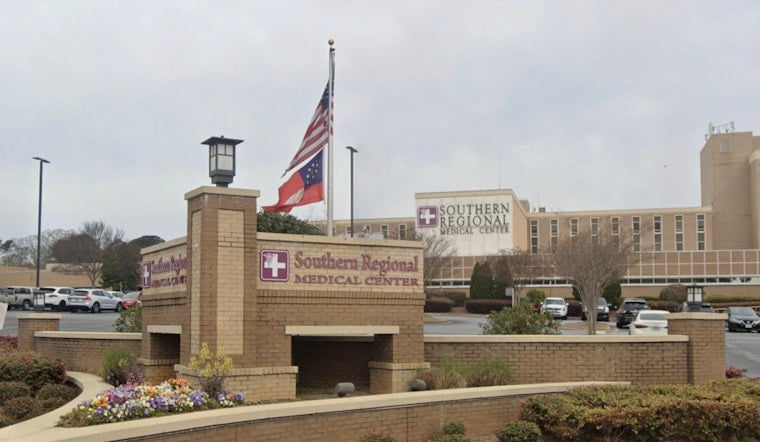
What started as a routine robot‑assisted surgery at a Metro Atlanta hospital has now landed in civil court, with a local woman alleging the procedure went so wrong it left her critically ill and stuck in an intensive care unit for months.
According to Atlanta News First, the patient has filed suit against both the medical center where the operation took place and the surgeon who performed it. The April 27, 2026 report states that she is seeking damages in civil court after the robot‑assisted procedure allegedly led to a prolonged ICU stay.
What Plaintiffs Commonly Allege After Robotic Surgery
In lawsuits over robot‑assisted procedures, plaintiffs frequently claim some mix of negligence, inadequate training or supervision, poor post‑operative monitoring, or problems with the surgical device and its warnings. A malpractice review cited by MDedge found that filings tied to robotic surgery have climbed in recent years, with gynecologic operations making up a significant share of those cases.
Previous Cases Show Device or Technique Disputes
Earlier lawsuits highlight how tangled these fights can get once they reach court. Plaintiffs and defendants may end up battling over whether a bad outcome stemmed from the surgeon’s technique, an instrument malfunction, or gaps in warnings from the device manufacturer. The appellate record in the case of Moore v. Intuitive Surgical, as posted by Justia, shows how disputes over instrument insulation, expert testimony, and causation can steer the final result.
Why the Timing Matters in Georgia
The lawsuit lands in a state where medical malpractice remains a political and legal hot button. Georgia courts and lawmakers have been wrestling with whether to limit how much juries can award in malpractice cases. The Georgia Supreme Court recently heard arguments over the constitutionality of statutory caps on such awards, a showdown reported by The Atlanta Journal-Constitution, underscoring the high financial and policy stakes that can come with big medical verdicts.
What We Could Confirm
As of publication, public reporting on this particular Metro Atlanta case is limited to the initial broadcast by Atlanta News First on April 27, 2026. A review of other local news coverage and accessible court dockets did not turn up additional reporting on the suit, and no formal statements from the hospital or physician appeared in readily available public records at that time. This story may be updated if court filings or official responses become public.
Legal Implications
Given the allegation of severe, long‑lasting harm after what was supposed to be a standard procedure, the case is likely to center on claims of medical negligence and failure to obtain informed consent, along with possible products liability claims tied to the surgical instruments, depending on what the evidence shows. Courts typically sort out these disputes through detailed reviews of medical records and dueling expert testimony, and prior legal and clinical analyses indicate that highly technical causation questions often decide who wins. For additional background on how courts and reviewers have approached similar issues in robotic surgery cases, see the clinical‑legal overview at MDedge.





