

























































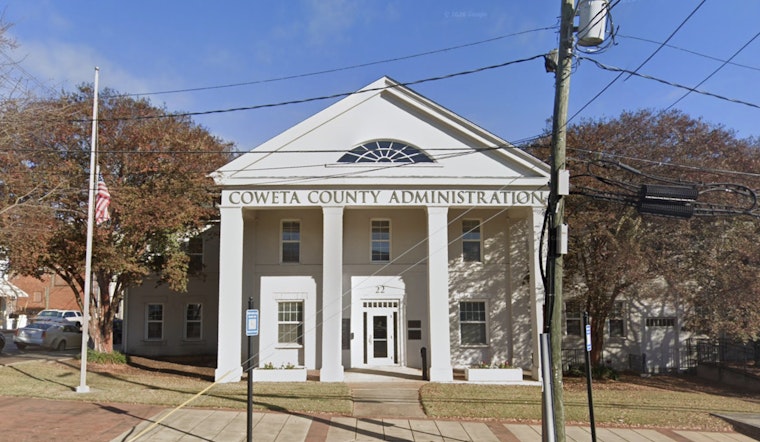
Coweta County commissioners have signed off on a massive industrial makeover for the county’s quiet western edge, voting to rezone roughly 829 acres for a sprawling data center campus known as Project Sail. The move clears the way for a multi-building complex that supporters tout as a tax-revenue gold mine and critics warn could dramatically reshape rural life near Newnan. The site sits next to existing power infrastructure and comes with a long list of conditions on noise, buffers and cleanup if the property ever goes dark for a year. Residents and environmental groups say the fight is far from over and are already eyeing administrative and legal challenges.
Board Squeaks Out a Yes Vote
In a 3-2 vote, the Board of Commissioners rezoned the property off Welcome To Sargent Road and Wagers Mill Road from Rural Conservation to Industrial, approving a plan described at the meeting as nine buildings totaling about 4.34 million square feet with a roughly 900-megawatt peak power demand, according to FOX 5 Atlanta. Backers at the hearing framed Project Sail as a rare chance to grow the tax base and help pay for major needs like a new high school. Opponents countered that the enormous scale of the campus threatens the area’s rural character and way of life.
Conditions, Roundabouts and Big Buffers
The rezoning came with roughly 17 conditions that aim to soften the blow of turning pastures into server halls. The developer must fund major road upgrades, including full-sized roundabouts at certain SR-16 intersections, maintain 300-foot buffers next to residential parcels, protect a private cemetery on the property and prepare a decommissioning plan that would return disturbed land to a natural state if operations stop for 12 straight months, as described in county and regional planning documents. The county materials also spell out noise monitoring, limits on nighttime generator testing and required environmental analyses before any land-disturbance permits are issued, per Coweta County/GRTA public records.
Developers Trim the Blueprint
Earlier public filings for Project Sail laid out an even bigger vision, with as many as 13 buildings and roughly 4.9 million square feet, and reporting last year tied the site to a planned buyer and operator in the industrial real estate world, according to the Atlanta Journal-Constitution. The developer’s project materials describe a multi-building campus positioned near Plant Yates to tap existing transmission infrastructure. County and developer statements note that no construction start date or confirmed tenants have been announced.
Neighbors and Water Watchdogs Push Back
Attorneys for nearby residents told commissioners the rezoning risks “irreparable harm,” and local conservation groups have warned about potential fallout for Wahoo Creek and the broader Chattahoochee watershed. A Project Sail fact sheet published by Chattahoochee Riverkeeper cited prior filings that estimated millions of gallons per day in water demand at full build-out. Investigative reporting has highlighted community unease over how developers approached county officials and navigated the ordinance process, with critics arguing public input has struggled to keep up with the project’s size and speed.
What Happens Next
The rezoning decision clears the county’s land-use hurdle, but Project Sail still has to run a technical gauntlet. The development must satisfy remaining permits, Development of Regional Impact requirements and any appeals or legal challenges that could slow construction. Regional and county filings note that the DRI decision and related approvals carry appeal rights and other procedural steps, and county staff say no construction can begin until all required permits and utility coordination are in place, as reflected in public records.
Legal Questions and Potential Challenges
Opponents’ attorneys have already signaled they will dig into possible procedural and environmental grounds for challenge, and public-records reporting has raised questions about lobbying and communications between developers and officials that residents say weakened meaningful public involvement. Any appeal or lawsuit would likely home in on whether environmental review and permitting were sufficient and whether county procedures were properly followed, according to public filings and investigative coverage.





