

























































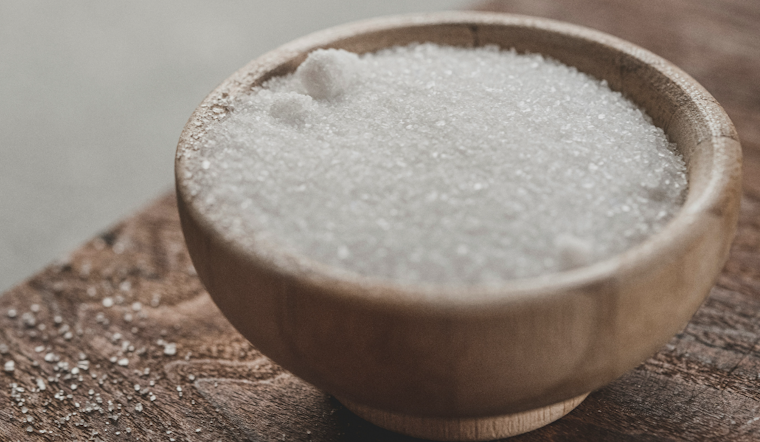
Roughly 100 Pittsburgh-area boroughs and townships are staring down a fresh salt scare, with local leaders warning that road crews may be heading into next winter without a clear game plan for keeping streets clear. The uncertainty follows a brutal winter that already chewed through stockpiles and left public works teams scrambling to refill bins between storms.
As reported by CBS Pittsburgh, the region's main salt supplier has signaled it will not renew the agreement that currently covers about 100 communities. Municipal officials say that move has thrown basic questions into doubt, including which existing orders will be honored and how they can plan for the next snow season.
Who Supplies The Salt
Most South Hills municipalities do their buying in bulk through the South Hills Area Council of Governments, or SHACOG, which represents 99 member municipalities. This winter, that group publicly blasted Compass Minerals for slow deliveries and hit-or-miss communication, saying communities were left waiting while roads iced over.
SHACOG's executive director told WTAE that some towns have been dealing with outright shortages. To soften the blow, reimbursement credits and partial shipments are being used to patch gaps, but those stopgaps are hardly a long-term strategy.
Why Deliveries Stalled
Officials point to a familiar cocktail of problems: elevated demand, lingering supply-chain headaches, and icy rivers that tighten the window for barge traffic into the region. All of it has slowed the flow of rock salt at exactly the moment municipalities needed it most.
WPXI reports RiverLift in West Elizabeth has been working overtime unloading barges and turning tens of thousands of tons of salt into truckloads for local delivery. Even so, shipments have not kept pace with what municipalities ordered, leaving them playing catch-up with every storm.
How Towns Are Coping
With no guaranteed resupply, some boroughs have already gone deep into their reserves and are rationing what is left. Hills, intersections, and main arteries are getting first dibs, while less-traveled side streets are often left to fend for themselves until stocks can be stretched.
The Butler Eagle found that city crews used hundreds of tons of salt during January's storm alone, then had to watch remaining supplies like hawks. Other small towns report getting only partial or delayed shipments, forcing last-minute juggling of routes and priorities.
What Officials Plan Next
SHACOG is now looking at rewriting its bid specifications so that future salt contracts require multiple delivery methods, including rail, truck, and barge. The goal is to avoid letting a single logistics snag put dozens of towns on thin ice at the same time.
Executive Director Patrick Conners told WTAE the council also wants clearer, more consistent communication from suppliers, along with firmer delivery timelines, as it reviews options for next season's contracts.
What Residents Should Know
For now, municipal officials say emergency routes remain the top priority, and residents should expect plow and salt crews to focus on main roads first before fanning out into neighborhoods.
Mayor Corey O'Connor told PublicSource the city believes it has about 8,000 tons of salt on hand and is prepared to concentrate resources on critical routes while leaders work on longer-term fixes to the supply mess.


