

























































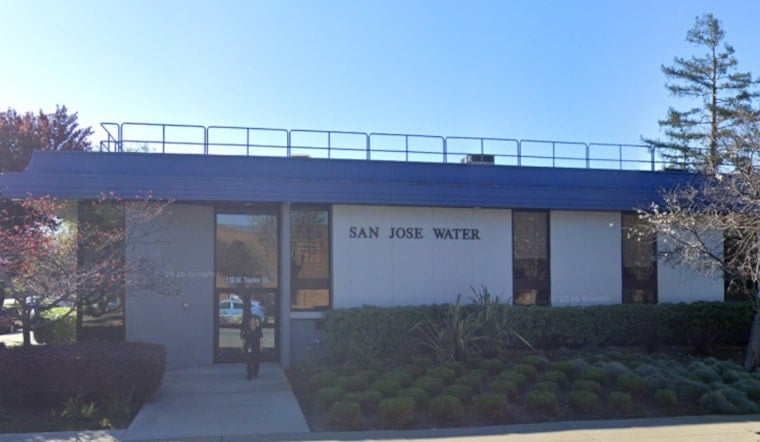
San Jose Water is getting ready to see if yesterday’s wastewater can safely become tomorrow’s drinking water, announcing on April 22 a proof-of-concept trial that will use a mobile purification unit to treat recycled water up to drinking standards. The roughly $3 million unit will move around the company’s service area for on-site testing and public demonstrations, and the utility says the short-term pilot is meant to explore a more drought-resilient local supply while gathering data and community feedback before it even considers a full-scale purified-water plant.
According to SFGATE, the project is a direct potable reuse, or DPR, demonstration that aims to show recycled wastewater can be purified to meet California’s drinking-water standards. The outlet reports that San Jose Water will coordinate with regional water agencies throughout the run of the project and expects to share technical findings with the San Francisco Public Utilities Commission and South Bay Water Recycling while the mobile unit is in operation. The story was published as a Bay City News Service brief summarizing the company’s announcement.
In its own press release, San Jose Water said the mobile facility is designed to “demonstrate performance and support community education” across the area it serves. Company president Tanya Moniz-Witten said, “Our goal is to test this new technology to see if it can become a reliable and affordable long-term water source for our customers.” The utility stressed that the project is a staged demonstration, not an overnight switch to recycled water flowing from customers’ taps.
How the mobile pilot will work
The portable treatment setup is meant to be hauled between different sites so engineers can see how it performs under a variety of system conditions and so neighborhood-level demonstrations can show residents exactly how the purification process works. South Bay Water Recycling, which produces recycled water for the region, will participate in the broader technical discussions as the pilot unfolds. Project officials say they will rely on water sampling, continuous monitoring and public input to evaluate how well the demonstration performs and whether it meets safety expectations.
Regulatory background
The policy groundwork for direct potable reuse has been taking shape over the last several years. The California State Water Resources Control Board adopted statewide DPR regulations that took effect on Oct. 1, 2024, setting requirements for treatment performance, monitoring programs and public engagement that utilities must satisfy before any DPR project can be approved. State regulators and water providers say the rules are intended to allow careful testing and gradual rollout while maintaining strong protections for public health.
Cost, timeline and customer impact
San Jose Water estimates the mobile purification system at about $3 million and says it expects the demonstration facility to be ready for state-supervised testing and evaluation within roughly two years. The company continues to emphasize the price tag for ratepayers, with Moniz-Witten noting, “Every infrastructure decision ultimately affects the bills customers pay.” Company materials say lessons learned from the pilot, including what residents say about it, will help determine whether the utility proceeds toward a permanent recycled-water purification plant.
Next up, the utility plans to keep working with partner agencies on design details and regulatory steps, collect data from the mobile unit once it is running, and solicit public comment before making any formal proposal for a full-scale facility. As SFGATE noted, the pilot is meant to function both as a technical shakedown of the treatment process and as a way to show customers how purified recycled water is produced and monitored. The company says residents can expect community meetings and a series of regulatory reviews as the demonstration moves into active testing.





-4.webp?w=160&h=400&fit=crop&crop=edges)

