

























































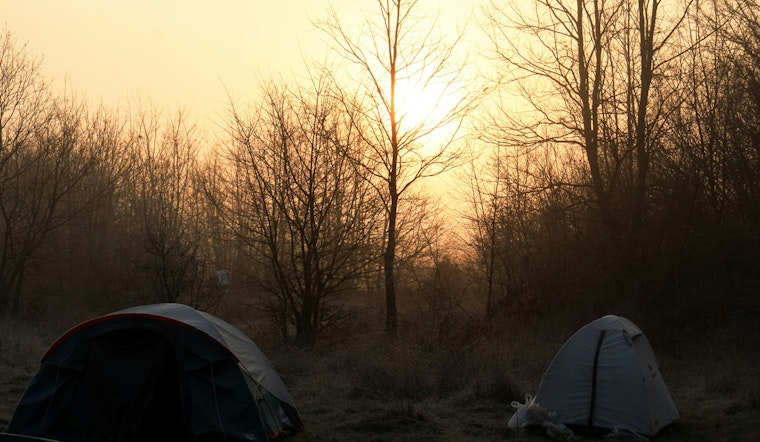
Historic Savannah is in a race to clear tent camps and drug activity from its postcard-perfect squares, as city leaders lean on a mix of crackdowns and outreach. Officials and business groups say sweeps, citations and referrals to services have pushed many visible camps out of the downtown squares, even as traffickers shift tactics along regional drug routes. The goal is to shield a tourism-driven downtown while steering people toward shelter and support instead of just shuffling them along.
In June 2025 the City Council signed off on an urban camping ordinance that makes it unlawful to sleep or store personal property on public streets and requires officers to issue a warning before pursuing legal action, according to the City of Savannah. Council members also directed the city manager to return with an evaluation roughly 90 days after the rules took effect.
Since the law kicked in, officials say enforcement has produced 179 citations and 15 arrests, while outreach partners have logged 135 people into the Homeless Management Information System, with roughly 30 percent entering shelters after contact with authorities, per WTOC. Local agencies also report handing out bus tickets and testing storage and pet programs meant to reduce some of the harms of living on the streets. City leaders say the strategy is to pair enforcement with real exits from homelessness, not simple displacement.
Business leaders have been calling for action while insisting services cannot be an afterthought. The Savannah Area Chamber described the ordinance as a collaborative step forward and pressed for ongoing investment in shelter and treatment, according to the Savannah Area Chamber. Chamber officials say visible homelessness and related public-safety incidents are a daily concern across the business community.
Drug trafficking trends complicate enforcement
Federal agents told local reporters that Phase II of Operation Fentanyl Free America has exposed shifting smuggling tactics in Southeast Georgia, including methamphetamine moved in liquid form before conversion and a rise in so-called "purple fentanyl," and that the ports and the I-95 corridor remain busy routes, per News4JAX. Agents cautioned that those trends make downtown cleanups more complicated, since narcotics networks and related violence can stretch far beyond the visible encampments.
What's changed on the ground
City officials and partner organizations say visible encampments in the historic district have dropped by roughly half since 2023, a decline the city highlighted in a joint statement to the press, as reported by Fox News Digital. At the same time, leaders acknowledge that improved numbers do not erase the need for more permanent housing, treatment options and harm-reduction services.
Mayor Van Johnson, described in coverage as calling the ordinance "another tool in the toolbox," has said enforcement will be paired with state-backed solutions and outreach, per press coverage cited above. Advocates warn that sweeps without additional shelter beds and long-term affordable housing will simply move people from block to block rather than resolve the crisis. For now, Savannah is trying to walk a tightrope: protecting public spaces and the tourism economy while pushing to connect people to services, even as broader regional drug threats continue to complicate the picture.




