

























































Two former Amazon corporate employees in Seattle have taken their pay complaints to federal court, accusing the tech giant of quietly shunting women into lower-paid roles while they did higher-level work.
In an April 8 filing, Gayatri Srinivas and Amy Cisneroz lodged a proposed class-action complaint that says Amazon systematically misclassified women into lower-paying, non-technical job codes and underpaid them. The suit aims to represent other women who say they were dropped into lower pay bands even as they handled technical or manager-level responsibilities.
Srinivas says Amazon slotted her as an L5 technical writer, then an L6 senior technical writer, even though her duties aligned with higher-paid technical roles. Cisneroz alleges she worked as an L7 principal product manager in Amazon Fashion but was told the position was classified as non-technical, which meant a lower salary range. The plaintiffs are asking a judge to certify a class so they can pursue back pay and other damages on behalf of a broader group of women.
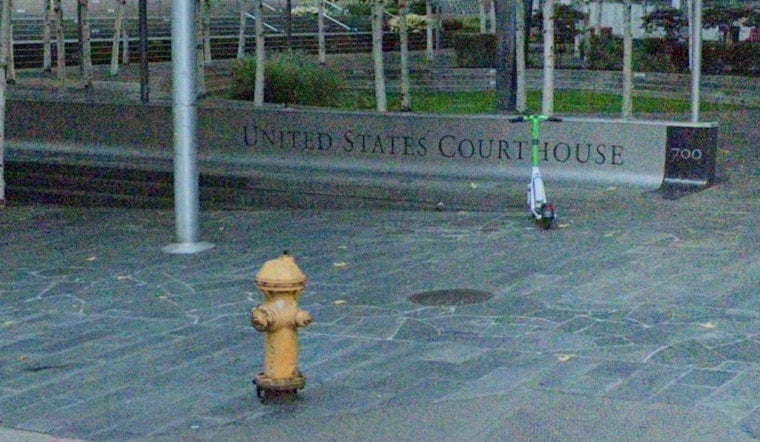
Court records show the pair are not starting from scratch. They moved this spring to intervene in related litigation already underway in the Western District of Washington, with a March 20 motion reflected on the case docket. According to court filings, that motion to intervene was noted for April 10, and the parties agreed to a briefing schedule that set April 16 for opposition papers and April 27 for a reply. The documents list Outten & Golden and Frank Freed Subit & Thomas as counsel for the proposed intervenors, underscoring that multiple legal teams are now pressing similar equal-pay theories against Amazon in Seattle federal court.
What the complaint alleges
The new complaint says Amazon has a pattern of placing women into lower-paid job codes, including tagging roles as "non-tech," even when the day-to-day work is technical or clearly managerial. Because Amazon ties its pay bands to those internal codes, the classification choice can mean a meaningful pay cut.
Cisneroz alleges she took over a male colleague’s projects but did not receive his title or his pay. She says she was told that her lower compensation was explained by Amazon’s decision to classify her position as non-technical, according to The Seattle Times. Srinivas, for her part, says she was substantially underpaid compared with male co-workers who had the same title and similar experience, according to the complaint.
The plaintiffs’ attorneys argue this is not about a few rogue managers. Instead, they say the alleged disparities flow from centralized leveling and job-coding rules that Amazon applies across its corporate workforce.
How this ties to the 2023 suit
This is not the first time Amazon has been hit with these claims. The latest filing mirrors a 2023 proposed class action brought by three Amazon employees who also alleged that companywide job-coding and leveling practices systematically disadvantaged women.
Outten & Golden, which helped file the 2023 case, described that earlier complaint as a landmark equal-pay action and appears again in the new round of filings this spring. A federal judge in Seattle denied Amazon’s motion to dismiss the 2023 lawsuit in December 2024, ruling that the claims should proceed to discovery, according to the court record.
Taken together, the suits are shaping up as a broader challenge to how one of Seattle’s signature employers, and by extension other large tech firms, categorize and pay their corporate workers.
What happens next
The plaintiffs’ lawyers now want class certification, which would let other women who say they were coded into lower-paid job categories seek relief at the same time. As of this publication, Amazon had not publicly filed a response to the April complaint, according to The Seattle Times.
If the judge allows Srinivas and Cisneroz to intervene and ultimately certifies a class, the case could grow to include thousands of corporate employees. That would likely trigger a long spell of discovery into compensation data, internal leveling guidelines and Amazon’s HR practices.
For now, the machinery of federal litigation is grinding along. The intervention motion has been briefed on the spring schedule set by the court, and more filings are expected in the coming weeks as both sides position themselves for what could become a lengthy fight over how Amazon values its white-collar workforce.
Why Seattle cares
Seattle sits at the center of this dispute because Amazon’s corporate leveling guidelines, the core target of the lawsuits, are developed and enforced at the company’s headquarters here. That means any ruling in these cases could ripple across Amazon offices nationwide.
Amazon has previously pushed back hard on the narrative that it underpays women. In 2023, the company told reporters that the initial equal-pay allegations were false and that it does not tolerate discrimination, according to CNBC.
Even so, the lawsuits are putting fresh pressure on how tech companies translate lofty job descriptions into the stark reality of job codes and pay bands, a back-office process with very real consequences for workers’ careers and paychecks.
Legal implications
If the courts ultimately find common evidence that Amazon’s centralized job-coding and leveling practices caused disparate pay outcomes by sex, the plaintiffs could secure sweeping relief. That could include back pay, changes to leveling rules and court-ordered adjustments to the company’s HR processes.
The earlier order in the 2023 case, which kept the claims alive despite Amazon’s attempt to have them tossed at the pleading stage, signaled that the judge sees these issues as appropriate for full-blown discovery. That points toward extensive document production, internal email reviews and witness testimony in the months ahead.
Expect more activity at the Seattle federal courthouse, and potentially a fight over whether the overlapping lawsuits are consolidated or proceed as one or more certified classes. However it shakes out, the question of how Amazon classifies its workers is not going away anytime soon.





