

























































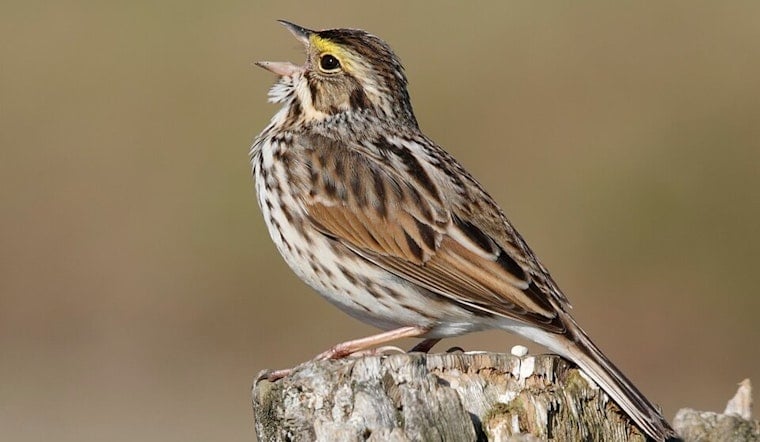
The chorus of birds that once filled Seattle's parks is noticeably thinning out. Community scientists who have been running long-term counts at eight city green spaces report that average bird sightings per survey have dropped about 21% between 2005 and 2023, and the list of species they record is shrinking too. Shorebirds along the water and familiar backyard regulars are both losing ground, reshaping what neighbors hear on their daily walks.
In a new analysis from Birds Connect Seattle, standardized Neighborhood Bird Project counts show a 21% drop in average bird counts, an 18% fall in species richness, and declining trends for 58% of the species assessed. Researchers compared standardized surveys at eight long-running sites from 2005 through 2023 and found that six of the eight parks showed overall declines. The report warns that these patterns line up with broader regional and continental trends rather than being a Seattle-only problem.
Parks Taking The Biggest Hit
Some of the sharpest slides are showing up in the city’s marquee parks. The analysis points to roughly a 41% decline at Washington Park Arboretum, about a 36% drop at Golden Gardens, and around a 25% loss at Discovery Park. It also notes that a cliff swallow colony at Magnuson Park collapsed after nesting sites were removed, according to Axios. Lead researcher Joshua Morris told Axios that “the birds are clearly sending us a warning” and described the situation as a “death by a thousand cuts.”
What Is Driving The Declines
Researchers are not blaming a single culprit, instead pointing to a tangle of urban pressures that add up over time. The report highlights habitat loss, shrinking tree canopy, and changes along the shoreline. Carkeek Park and the Washington Park Arboretum together lost about 16 acres of canopy in five years, alongside declining insect prey and heavy recreational use of meadows, according to Birds Connect Seattle. The group says more targeted analysis is still needed to directly link specific habitat changes, development projects, and tree loss to species-level declines.
How Seattleites Can Help
Experts are also quick to point out that everyday choices can make a dent in bird mortality and improve habitat. Keeping cats indoors, cutting back on pesticides, making windows safer for birds, and turning off unnecessary lights at night are all practical steps residents can take, according to Axios. Those local recommendations echo national warnings. The 2025 State of the Birds assessment documents widespread declines across U.S. habitats and calls for larger-scale conservation action, underscoring that Seattle’s bird losses fit into a much bigger pattern.
Birds Connect Seattle says it will pursue further analyses and aims to better connect observed declines to development patterns and canopy loss, while encouraging residents to join community counts. For now, the songs of Seattle’s parks are quieter, and local researchers say how the city and its residents respond this year will help determine whether those missing birds ever return in full voice.





