

























































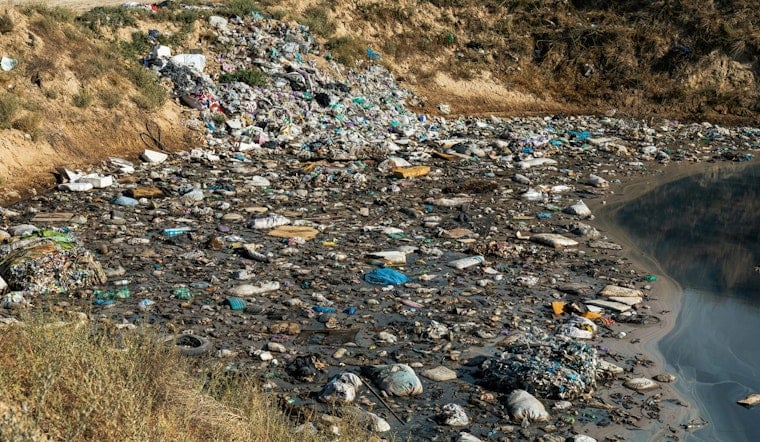
Environmental groups are turning up the heat in Albany, urging lawmakers to shut down a regulatory loophole that lets major polluters keep running on expired air permits. Their push comes after a recent appellate ruling left Seneca Meadows, New York’s largest landfill, legally operating even though its air permit has lapsed. Activists argue the current setup allows facilities to run for years while the Department of Environmental Conservation reviews renewal applications, and they say new legislation is needed to force quicker decisions and stop what amounts to indefinite extensions.
Court Ruling Keeps Seneca Meadows Operating
In late March, an appellate panel upheld a lower court decision that threw out a 2016 Seneca Falls law meant to force the landfill’s closure, ruling that the town’s environmental review was flawed, according to Spectrum News. With that local law off the table, the future of Seneca Meadows now hinges on the state’s permitting process instead of town ordinance, a shift local residents say leaves them with fewer tools to fight extensions. The decision has intensified calls for Albany to fix what critics see as holes in the air permit system.
Activists Cite Backlog And Health Concerns
Groups such as Seneca Lake Guardian say the problem goes well beyond one landfill. Under the State Administrative Procedure Act, they note, air permits can be administratively extended, which can leave facilities operating under outdated conditions long after new science and stricter rules emerge. Seneca Lake Guardian has repeatedly warned about odors, leachate, and PFAS impacts tied to Seneca Meadows and has filed legal challenges pressing for tighter oversight.
The Office of the State Comptroller’s 2023 audit landed in the same ballpark, finding that extended permits and slow reviews were a recurring issue and recommending steps to reduce those backlogs and speed decisions. That critique is laid out in the report from the Office of the State Comptroller.
What Harckham’s Bill Would Change
State Sen. Pete Harckham is trying to rewrite the rules with S.6833-A, a bill aimed squarely at open-ended renewals. According to the bill text and sponsor memo on the NYS Senate website, the measure would require permits that currently have no expiration date to end after five years and would cap renewal terms at five years as well. Harckham’s memo directly cites the Comptroller’s audit as the driver for the reform and frames the proposal as a way to ensure air permits keep up with modern emissions controls and technology.
For now, the bill is parked in the Senate Environmental Conservation Committee, where lawmakers are weighing possible carve-outs and the practical details of how the changes would roll out.
Business Groups Warn Of Unintended Consequences
Not everyone is cheering the overhaul. The Business Council of New York State has come out strongly against the bill, arguing that its automatic suspension and denial provisions could force lawfully operating facilities to shut down simply because agencies fall behind on paperwork. The group also contends that the proposal could create risks for grid reliability.
The Business Council further points out that fee changes designed to beef up DEC’s permitting capacity do not kick in until 2027 and that staffing and funding gaps have not disappeared. For its part, DEC has defended its air review process in recent coverage, saying it follows state law and regularly works to improve the permitting program.
Permit Paper Trail And The Expansion Request
State permit records show that Seneca Meadows’ Title V air permit was last renewed in 2018 and that it includes technical requirements for landfill gas controls, flares, and leachate systems that DEC monitors. Those details are laid out in a permit review report available from the New York State Department of Environmental Conservation.
Local filings and Seneca Lake Guardian state that the landfill’s operator is seeking permission to expand and to keep running into 2040, a plan that has only sharpened opposition from nearby residents and businesses. Those dense technical records, along with waves of community complaints, now sit at the center of ongoing legal fights and the broader push for legislative reform.
What To Watch
The next major milestones will be DEC’s ruling on Seneca Meadows’ renewal and expansion application, any appeals that follow, and decisions in the Legislature on S.6833-A or potential narrower tweaks. If lawmakers move ahead, they will have to walk a tightrope between speeding up permit timelines and addressing legal and reliability concerns, the same tradeoffs the Comptroller highlighted in 2023.
For residents in the Finger Lakes, the outcome will shape whether New York’s air permitting system does a better job of protecting local air and water or continues to leave communities waiting on long, slow administrative reviews while facilities keep operating.





