

























































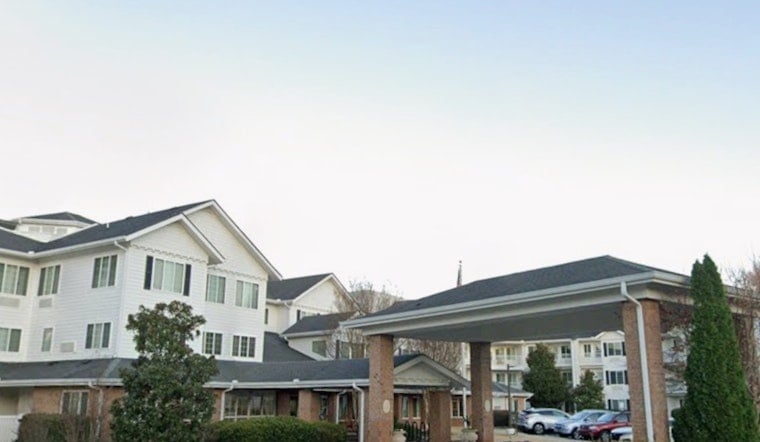
One Charlotte restaurant just landed on the wrong side of the health scorecard. Shad's Landing, the dining operation at 9131 Benfield Road, received a B-grade after a Mecklenburg County inspection turned up a string of sanitation problems. Inspectors scored the facility an 89 on April 9, flagging heavy food debris and dirty dishes that had to be corrected right away.
What inspectors found
According to The Charlotte Observer, the inspection report detailed heavy debris under kitchen equipment and on walls and floors. Inspectors also noted unwashed produce stored above ready-to-eat items, along with salads and pizza that were missing the required date marks.
The report further cited a mixer, slicer and can opener that were stored as if they were clean despite visible residue, plus several cracked or chipped utensils holding debris that could end up in food. Inspectors also flagged a communal restroom trash can that did not have a lid.
How the grading works
The North Carolina Restaurant & Lodging Association explains that health inspections use a 100-point system, where an A is 90 and above, a B is roughly 80–89.5 and a C is 70–79.5. Scores below 70 can prompt permit action. Local coverage notes that most businesses still earn As and that Mecklenburg County logged more than 100 inspections in the April 3–9 window, underscoring that these visits are routine and typically followed by corrective reinspections when needed.
Rules the kitchen broke and why it matters
Federal model food codes, which are adopted in whole or in part by state and local regulators, require cold foods to be held at 41°F or below and call for date-marking of prepared ready-to-eat items to limit bacterial growth, according to the FDA. Dirty or damaged utensils and equipment with visible residue are classic contamination red flags for inspectors, since they increase the risk of cross-contamination and foodborne illness.
Next steps and where to look
Restaurants are generally required to correct violations and undergo reinspection, and full reports are posted online so the public can see the itemized findings. The Charlotte Observer reviewed the county records, and the raw inspection reports are also searchable in the Mecklenburg County database at public.cdpehs.com.




