

























































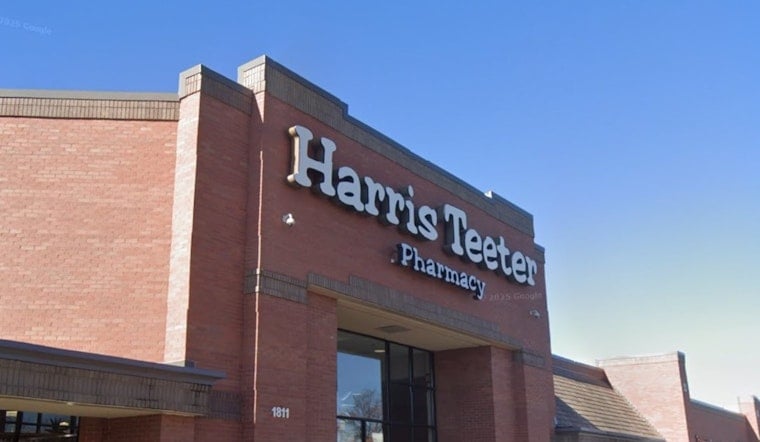
Kroger, the Cincinnati-based parent of Matthews-headquartered Harris Teeter, has agreed to spend about $100 million and pay a $2.5 million civil penalty to resolve alleged Clean Air Act violations tied to refrigerant leaks at its stores. Under a proposed federal settlement, the grocery giant would have to retrofit or replace roughly 600 large refrigeration systems and keep its corporate-wide average leak rate at no more than 9.5% each year. The agreement covers subsidiaries across the country and explicitly includes every Harris Teeter location with refrigeration equipment over 50 pounds. A federal judge must still sign off after a 30-day public comment period.
Feds Lay Out Fines And Fix-It Plan
The Justice Department said the proposed consent decree, filed April 29 in federal court, would require Kroger to invest an estimated $100 million over three years and pay a $2.5 million civil penalty to resolve allegations that the company failed to promptly repair leaks of the ozone-depleting refrigerant R-22. "Compliance with the Clean Air Act protects human health," Principal Deputy Assistant Attorney General Adam Gustafson said in the announcement. Federal officials said the Environmental Protection Agency investigated the matter and that the complaint covers alleged violations from 2014 through 2023, according to the U.S. Department of Justice.
What It Means For Harris Teeter Shoppers In Charlotte
According to local reporting, Kroger told regulators it owns and operates more than 24,600 commercial refrigeration and comfort-cooling appliances across about 2,734 stores, and the proposed settlement extends to subsidiaries that operate those outlets. That means every Harris Teeter store with refrigeration equipment over 50 pounds is included. Harris Teeter runs roughly 250 stores in seven states and about 60 locations in the Charlotte region. Kroger did not admit liability in the consent decree and did not immediately respond to requests for comment, as reported by The Charlotte Observer.
What Kroger Has To Do Next
Under the terms described by federal officials, Kroger must roll out a company-wide refrigerant management system, retrofit or replace roughly 600 large commercial refrigeration systems, maintain centralized service records, and report annually on its leak rates and repairs. The decree sets a corporate-wide average leak-rate cap of 9.5% per year and includes auditing and stipulated penalties if Kroger fails to meet its obligations. The proposed agreement is subject to a 30-day public comment period before a judge decides whether to enter the consent decree, according to the U.S. Department of Justice.
How The Refrigerant Rules Work
Owners and operators of large refrigeration systems must follow EPA rules under Section 608 of the Clean Air Act that require rapid leak repair and strict recordkeeping to prevent releases of ozone-depleting substances. Regulators have tightened leak-rate thresholds in recent years and require verification testing after repairs to make sure leaks are fixed. The EPA lays out leak-repair and recordkeeping requirements that form the legal basis for the government’s complaint, according to EPA.
Part Of A Bigger Crackdown On Supermarket Coolers
Federal enforcement of supermarket refrigeration rules is not new. Regulators and courts have repeatedly pressed grocery chains to adopt centralized tracking, repair plans and equipment upgrades in recent years. The Kroger proposal follows a string of industry actions aimed at cutting ozone-depleting and potent greenhouse-gas refrigerant emissions from retail food stores, a trend covered in energy and environment reporting. For more context, see coverage from E&E News.
What Shoppers Can Expect Locally
If the settlement is approved, the fixes will roll out over the coming three years, and Charlotte-area shoppers should expect to see equipment upgrades and more visible maintenance work at Harris Teeter stores covered by the decree. The public comment period gives residents and other interested parties time to weigh in. Local reporters note that Kroger had not yet offered a statement at the time of initial coverage; this story will be updated if the company responds, as noted by The Charlotte Observer.


