

























































For a lot of people in Davidson County, the hardest part of cervical cancer screening is not the results, but the exam table. The Food and Drug Administration’s recent clearance of at-home HPV self-collection kits could change that, making screening a lot easier for residents who avoid clinic visits. Local health leaders say the new option may reach patients who skip Pap smears because of discomfort, cost, or basic access problems. The move lands at a critical moment, as experts push to close a screening gap that Vanderbilt researchers say fuels most local cervical cancer diagnoses.
What regulators approved
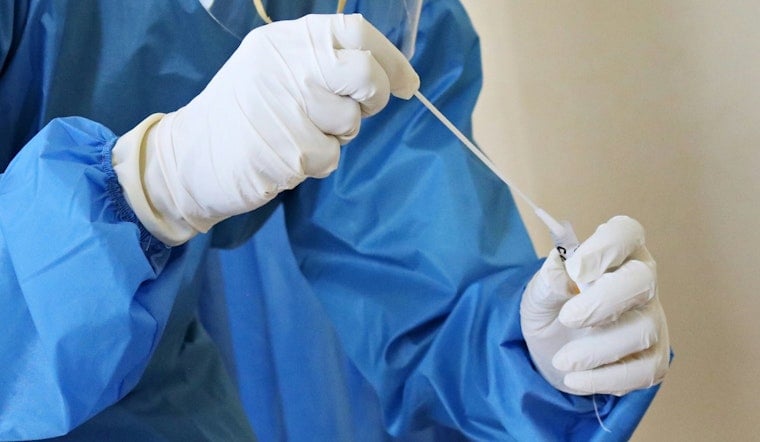
On April 8, Waters Corporation announced that the Food and Drug Administration cleared the Onclarity HPV Self-Collection Kit and approved the BD Onclarity HPV Assay for at-home use, which allows patients to collect a sample at home and mail it to a lab for processing, according to Waters Corporation. The company says the test detects multiple high-risk HPV genotypes and that samples will be processed on automated laboratory systems. The kit is expected to be available by prescription and covered by private insurers, Medicaid, and Medicare.
Waters Corporation also noted it collaborated with the National Cancer Institute’s SHIP trial to validate the accuracy of self-collection, a key point for clinicians who want to know how home tests will hold up against traditional in-office screening.
Why it matters in Davidson County
The stakes in Nashville are not abstract. A 2022 review by Vanderbilt University Medical Center found that 77 percent of Davidson County women diagnosed with invasive cervical cancer between 2008 and 2018 had not received recommended screening or follow-up before their diagnosis, according to Vanderbilt University Medical Center. In other words, the majority of cases showed up in people who were not getting the testing or follow-up care that might have caught problems earlier.
Clinicians hope that putting a test kit in someone’s mailbox instead of asking them to book time off work, arrange child care, and face a speculum exam will lower those barriers. They are betting that a home option will make it easier for people who delay or avoid in-office exams to get screened at all, and that it will also improve how quickly patients are connected to care if results come back abnormal.
How clinicians are reacting
Ronald Alvarez, chair of obstetrics and gynecology at Vanderbilt, told WSMV that cervical cancer screening has traditionally meant a Pap smear in a clinic exam room, and that discomfort with that experience is one reason some patients never get tested. Home collection is designed to sidestep that hurdle, but experts are quick to stress that it is only a first step.
Specialists caution that a home HPV test is an initial screening tool, not a full workup. A positive result still means a trip back to a clinic for additional evaluation and follow-up. They also note that HPV assays are not approved for use in men, according to guidance from the CDC, so this development is aimed at cervical cancer prevention rather than broader HPV testing.
Policy and coverage questions
On the policy side, the federal Health Resources and Services Administration updated cervical screening guidance in January to include self-collection as an option for people ages 30 to 65 who are at average risk, and the Department of Health and Human Services said those guideline changes will take effect for most health plans starting in 2027, according to HHS. That timeline means insurers are already on notice that at-home HPV testing is moving into the mainstream of preventive care.
Public-health leaders say the combination of FDA clearance and new federal guidance could significantly expand access, especially for people who have been off the screening radar for years. At the same time, they acknowledge that key details are still being ironed out, including how clinicians will prescribe the kits, how insurers will reimburse for them, and how health systems will make sure positive tests are plugged into reliable follow-up care pathways instead of getting lost in the mail.
What to know if you are considering a home test
For anyone eyeing an at-home kit as a way to avoid the exam room, clinicians recommend looping in a regular health care provider before ordering one. Talking with a provider first helps ensure that results are properly recorded in the medical record and that any abnormal result is routed into timely follow-up care, WSMV reports.
The World Health Organization points out that HPV vaccination combined with regular screening can prevent the vast majority of cervical cancer cases, so an at-home HPV test should be seen as one piece of a larger prevention strategy rather than a one-and-done solution, according to the World Health Organization. For Nashville residents who have been putting off getting screened, though, a kit that shows up at home could be the nudge that finally gets them into the prevention column.



