

























































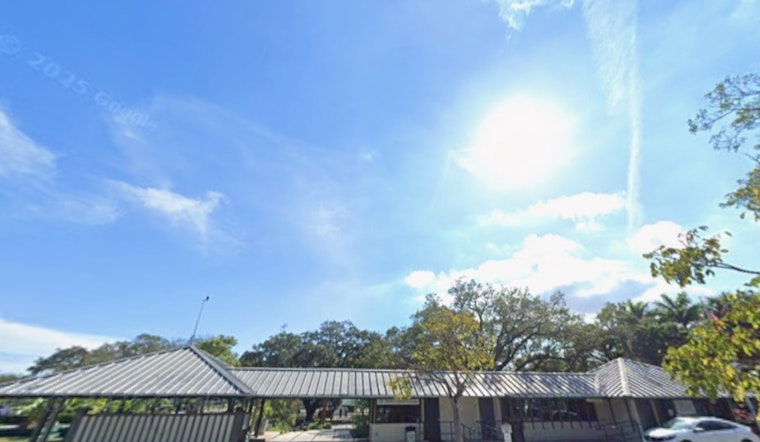
Fort Lauderdale is charging ahead with a new Parks & Recreation campus beside Snyder Park, and nearby residents are anything but thrilled. Neighbors say the city’s industrial vehicles and maintenance traffic will swamp quiet residential streets. The plan would replace the current parks operations yard with two one-story buildings, an administrative office and a maintenance and repair shop, plus expanded parking. People in River Oaks, Edgewood and surrounding blocks warn that trucks and cut-through drivers will pour onto park roads and Southwest Eighth Avenue, turning a neighborhood access route into a busy service corridor. At the heart of the fight is City Hall’s push to streamline parks operations versus residents’ fears about safety and everyday quality of life.
According to the Sun Sentinel, the project covers about five acres and carries an estimated cost of $5,764,625. The city would pay roughly $4.9 million, while developer My Park Initiative is slated to contribute about $864,625. Officials expect construction to wrap by mid-2027, the paper reports. City records cited in that reporting estimate the campus would generate about 180 vehicle trips a day. The same coverage notes that existing buildings on the site were badly damaged during the April 2023 flood, which pushed the city toward a more extensive redesign.
What the agreement requires
The city's First Amendment to the Comprehensive Agreement with My Park Initiative spells out how the money and construction are supposed to work. The developer is responsible for demolishing the damaged structures and building a replacement facility, while the city reimburses actual costs up to $3,900,000, plus additional site work reimbursements capped at $1,000,000, for a maximum city contribution of $4,900,000. The amendment also requires MPI to move the existing transfer station and a nearby seaweed mound to a designated relocation site, add more shop space, and provide roughly 250 parking stalls. On the financial side, the annual revenue share to the city temporarily increases from 1% to 1.5% until MPI has kicked in an extra $400,000. Those terms and caps are outlined in contract backup from the City of Fort Lauderdale.
Neighbors fear traffic and shortcuts
For people living nearby, the city’s own numbers feel like a red flag. The estimate of about 180 daily trips would come from “more than 70 maintenance trucks and at least 100 personal vehicles,” according to the reporting. “It’s not a roadway. It’s a park,” resident Debbie Nast told the Sun Sentinel. River Oaks leaders say narrow, two-lane Southwest Eighth Avenue has no sidewalks and is not built to safely absorb frequent heavy truck traffic. Neighbors add that they were caught off guard by how close the maintenance yard would sit to playing fields and walking paths and are now demanding detailed routing plans and clear rules for where trucks can queue and stage.
State environmental records add another layer to the unease. The Florida Department of Environmental Protection’s WACS database lists “Fort Lauderdale Parks HQ Transfer Station” at 3110 SW Eighth Avenue, the same address as the project site. That listing highlights why residents worry that industrial-style operations will continue to sit right next to a recreational area, and they frequently cite it when asking how a new campus and ongoing waste activities are supposed to coexist. (Florida DEP WACS)
What’s next
The City Commission has already approved the amendment, and budget moves have shifted capital funds toward the project, so the machinery is in motion. The next phases include final design work, permitting and crafting traffic mitigation strategies for the surrounding neighborhoods. Local groups say they plan to push hard for binding truck-routing rules and clear construction staging plans, while city staff continue to argue that consolidating Parks operations will boost maintenance capacity and chip away at a backlog of repairs across the park system.
Construction will reshape a slim strip of land wedged between Snyder Park and Floyd Hull Stadium, and for now the central question is whether the site can be rebuilt without turning park access roads into de facto service driveways. Residents and city officials are bracing for a long year of community meetings and permitting checkpoints as both sides try to hammer out a version of the plan they can live with.





