

























































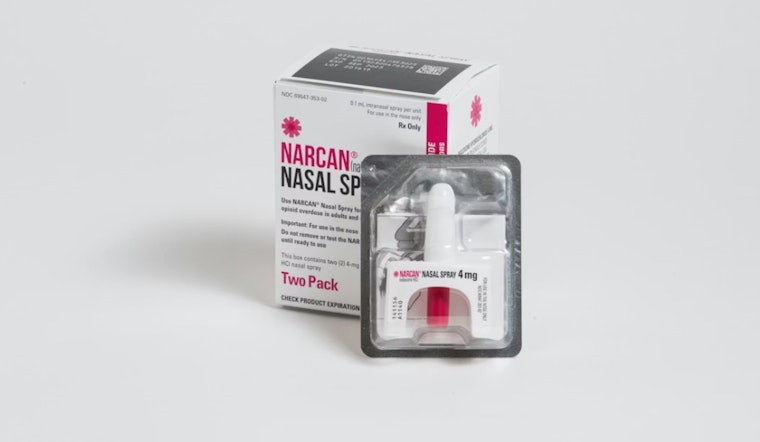
Missouri’s proposed budget for Fiscal Year 2027 would carve out more than half of the money the state uses to distribute Narcan (naloxone), stripping roughly $8 million from a program advocates say has been central to reversing thousands of overdoses. The cut would pull funding back toward the program’s original $5.1 million baseline after two years at about $13.1 million, raising alarms among harm‑reduction workers and local officials.
House Budget Committee Drops $8 Million Item
According to First Alert 4, the House budget committee stripped out an $8 million decision item for the statewide naloxone distribution program from House Bill 2010 before sending the bill to the Senate. That move would sharply reduce the amount available to the University of Missouri–St. Louis program that ships naloxone to first responders, treatment centers and community partners across Missouri.
UMSL Runs the Statewide Distribution
The University of Missouri–St. Louis’ Addiction Science Team oversees the statewide naloxone distribution effort and reported moving roughly 1.3 million doses in 2025 while documenting a sharp drop in overdose deaths between 2023 and 2024. UMSL has said its expanded network, which includes mail delivery and naloxone vending sites, was powered largely by opioid‑settlement dollars and helped drive down overdose counts across the state. UMSL has pointed directly to broader naloxone access as a key factor in those mortality trends.
Modeling and Providers Warn of a Rollback of Gains
UMSL’s modeling, along with reporting by local outlets, warns that cutting the extra $8 million could lead to hundreds of additional deaths over the next decade, including one analysis that projects about 400 more overdose fatalities by 2030 if supplies tighten. First responders and treatment providers that rely on the state’s free naloxone say the program has helped blunt the severity of overdose calls and stretch local EMS budgets that are already under strain. The concerns highlight a growing tension between long‑term opioid‑settlement funding and short‑term budget decisions in Jefferson City. First Alert 4 reported on the modeling and quoted local officials who fear losing ground.
Where the Money Comes From and How It’s Tracked
The naloxone budget line is supported by Missouri’s share of national opioid‑settlement payouts, and the Missouri Department of Mental Health maintains a public reporting portal and annual reports that track distributions and remaining balances. State reports show sizable year‑end balances and indicate that much of the settlement funding is still available for abatement programs, a point advocates raise when questioning why the House moved to trim the naloxone decision item. For background on how the settlement money is split and reported in Missouri, see the state’s annual report and the Johns Hopkins opioid‑settlement tracker: Missouri DMH annual report, Johns Hopkins Opioid Principles.
What’s Next for the Budget
House Bill 2010, the appropriations bill that carried the naloxone decision item, has been reported do‑pass out of the House and now heads into the broader reconciliation process that will determine the final FY27 budget. Lawmakers in the Senate or in a House–Senate conference committee could still restore some or all of the $8 million before the spending plan reaches the governor’s desk, although advocates warn that time is short and the stakes are high for harm‑reduction efforts in every corner of the state. For the bill text and current status, see the House committee substitute for HB 2010: HB 2010 (HCS).





