

























































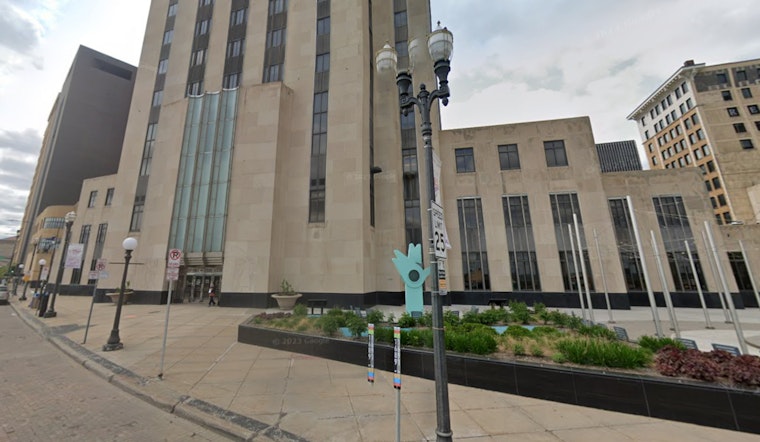
St. Paul is putting $6.4 million on the table to jolt its commercial streets back to life, with a new wave of public cash aimed squarely at downtown and 18 neighborhood business corridors.
The plan combines a $5 million Downtown Vitality Fund focused on housing and street-level activation with $1.4 million for a Commercial Corridor Organization Assistance Program that sends fixed grants to local groups. Under a preset award schedule, several corridors will receive $90,000 each while others get $79,500 or $70,500. Neighborhood organizations tapped to lead the work include the Neighborhood Development Center, West Seventh/Fort Road Federation, Hamline Midway Coalition and the Rondo Community Land Trust.
According to the City of Saint Paul, the City Council designated $5 million for the Downtown Vitality Fund on March 26, 2026, splitting $3 million for housing projects and $2 million for economic development aimed at activating underused downtown space. "Revitalizing downtown is key to a robust tax base and a healthy, thriving city," Mayor Kaohly Her wrote in the city’s announcement, and HRA Chair Cheniqua Johnson said the funds will be "deployed in a way that delivers lasting impact."
How The Money Is Split
The HRA staff report spells out the commercial-corridor award tiers of $90,000, $79,500 and $70,500, along with the scoring system used to rank corridors. As detailed in the HRA staff report, the tiers reflect an index that weighs business density, employee density, percent commercial land use and vacancy levels.
The same report notes that "sub-grants for operating expenses requires reconsideration" and reminds planners that any project receiving more than $500,000 must be approved by the HRA Board.
Who Will Run Corridor Projects
The city's Commercial Corridor Program page lists the 18 targeted corridors and the preselected partner organizations that will steer each one. City materials show the Neighborhood Development Center as the lead for University Avenue (east end), the West Seventh/Fort Road Federation handling the east end of West Seventh, the Hamline Midway Coalition covering the Snelling-University node, and the Rondo Community Land Trust taking on Selby’s east end.
Contracts will be executed on a rolling basis, and program guidance requires partners to follow procurement and reporting rules and to spend their awards within 12 months.
Why It Matters And What Comes Next
Local outlets and business groups have been pushing for corridor-scale help since the city first floated the idea in 2025, when coverage highlighted possible storefront upgrades, murals and marketing to pull in more customers, according to the Star Tribune.
City staff and HRA materials indicate that contracting and monitoring will move quickly: partners will finalize their scopes of work, the city will sign agreements, and staff will track outcomes to ensure the work delivers measurable economic results. If any single proposal crosses the $500,000 mark, it will require separate HRA Board sign-off before any of that money goes out the door.



