

























































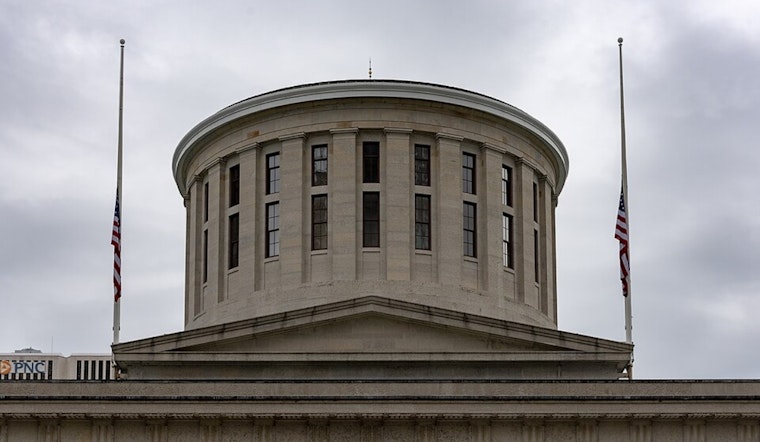
At the Ohio Statehouse, Republican lawmakers are pushing a pair of bills that would tighten parental control over teens' mental-health care while inviting volunteer chaplains into public schools. Supporters frame the moves as a win for parental rights and spiritual support. Critics warn they could shut the door on confidential counseling for vulnerable teenagers and blur the line between church and state inside classrooms.
What House Bill 172 Would Do
House Bill 172, sponsored by Rep. Johnathan Newman, would bar providers from offering mental-health services to minors without parental consent and repeal the narrow carve-out that currently allows 14- to 17-year-olds to receive short-term outpatient care without a parent's sign-off, according to the Ohio Legislature. Backers say the bill restores parents' authority over their children's medical decisions. Opponents counter that the existing exception is a crucial lifeline for teens who do not feel safe involving a parent.
School Chaplains Proposal Stokes Church-State Concerns
House Bill 531 would create a "School Chaplain Act" so public schools could bring in volunteer chaplains to offer spiritual programming, mentoring and support. At recent hearings, though, testimony raised alarms about training and oversight. Chaplains, school counselors and other witnesses told lawmakers that volunteer chaplains are not licensed mental-health professionals and warned that their presence could put LGBTQ+ and non-Christian students at risk, according to Buckeye Flame.
How HB 531 Would Work
The Legislative Service Commission's analysis of HB 531 says districts could adopt chaplain programs only after a public board vote, with boards required to make a decision by Dec. 1, 2026, and it would require volunteer chaplains to undergo criminal-record checks and register with the Department of Education and Workforce. The analysis also notes that the bill would define a chaplain as a religious professional endorsed or certified by an ecclesiastical endorsing agency and would not require state licensure, leaving credentialing to denominations and endorsing bodies, according to the Ohio Legislative Service Commission.
Advocates Say The Bills Could Harm Vulnerable Youth
Survivor-advocacy groups, domestic-violence networks, school psychologists and medical associations told lawmakers that a strict parental-consent rule would shut out teens who are experiencing abuse or trafficking and are afraid to alert a parent. The Ohio Alliance to End Sexual Violence said more than 50 opponents testified or submitted written opposition to HB 172, and one recent hearing drew roughly 54 opponents and 11 supporters, according to Cleveland.com and Ohio Alliance to End Sexual Violence.
What's Next
Both bills are still parked in House committees after multiple hearings and would need committee approval before heading to the full chamber. Supporters argue they strengthen parental rights and expand support options for students, while counselors and health providers warn they could make confidential care harder to reach for teens who need it most. Lawmakers are expected to keep hearing testimony as they try to balance parental oversight with advocates' concerns about access for at-risk young people, according to reporting on recent hearings from Buckeye Flame.





