

























































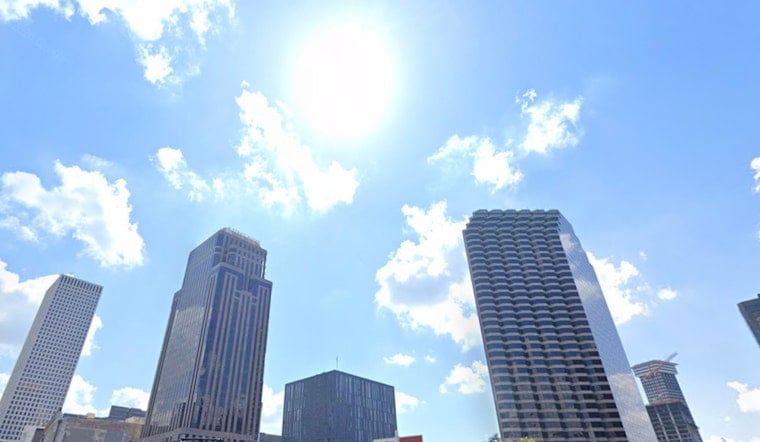
New Orleans is waking up under clear skies and a muggy 73°F at the KNEW station this morning (Tuesday, April 28, 2026), with a dew point near 72°F and relative humidity in the mid-90s. The air is already sticky, so that early dog walk, jog or trash run is going to feel warmer than the thermometer suggests.
Afternoon Heat And Humidity
Mostly sunny skies will nudge highs to about 86°F today (Tuesday, April 28, 2026), then to around 87°F on Wednesday, April 29, 2026, with southeast winds of 5 to 15 mph. Thanks to stubborn humidity, heat index values are expected to climb into the mid to upper 90s during the hottest part of the afternoon, which will crank up heat stress for outdoor workers, delivery drivers and anyone squeezing in a workout outside. Forecasters at the National Weather Service recommend staying hydrated and dialing back strenuous activity during mid-afternoon hours.
Storms Arrive Midweek
Thunderstorm chances ramp up Wednesday night and Thursday as a frontal boundary sags south. The National Weather Service is calling out a marginal risk of heavy rainfall Wednesday afternoon and evening, mainly over southwest Mississippi and nearby Louisiana parishes, and says the chance for storms, some possibly strong to severe, will linger into the weekend. That means outdoor evening plans from Wednesday, April 29, 2026, through Friday, May 1, 2026, could get interrupted by pop-up downpours or stronger storms with brief heavy rain. For more context on this week’s weather pattern, check out our earlier look at the pop-up storm threat.
Plan Ahead
No watches or warnings are in effect this morning, but conditions can flip fast once storms fire up, so it is a good day to have an umbrella or backup indoor option for any evening events. You might also want to move lighter yard furniture inside before Friday night, when gusts up to 30 mph are possible. Check radar before heading out and follow local official updates if storms develop. For severe-storm guidance and the latest forecasts, consult the National Weather Service and local emergency channels. If you work outdoors, build in frequent water breaks, use shade where you can and schedule the hardest jobs outside of the hottest hours.



