

























































Stony Brook University planetary scientist Timothy Glotch is officially headed to the lunar big leagues, at least on the planning side. He has been named one of 10 participating scientists chosen to help design the lunar surface science plan for NASA’s Artemis program, including the surface campaign slated for Artemis IV. The post puts a Long Island researcher in the inner circle of planning for astronaut activity at the Moon’s south pole, where crews will look for shallow ice and scout prime sample sites. Glotch, who chairs Stony Brook’s Department of Geosciences, will join pre-mission planning and support mission science operations during flight.
In a university announcement, Stony Brook said Glotch had been tapped as a participating scientist and will support the broader Artemis science team from NASA’s Mission Control in Houston, as reported by TBR News Media. FOX 5 New York ran a short local piece on April 6 highlighting the Stony Brook connection and community reaction to the selection.
What the team will actually do
The participating scientists will be the brain trust behind what happens on the ground, helping define on-surface activities, choosing which instruments get deployed where, prioritizing rock samples, and advising astronauts during extravehicular activities. All of that is central to squeezing maximum science out of every minute on the Moon. NASA named the 10 researchers in late March and organized them under project scientist Noah Petro and the Artemis geology leads; that announcement and related coverage place Glotch among the selected team members, as covered at LASP/University of Colorado Boulder.
Stony Brook’s lunar legacy
Stony Brook already has a history of feeding lunar science into Artemis planning, from student mapping projects to faculty studies of sample materials and possible landing zones. Graduate work from the university has contributed to landing-site analyses and instrument planning, which helps explain why campus researchers were in the mix for NASA’s selection. That track record and student involvement are detailed by Stony Brook University.
Timeline and next steps
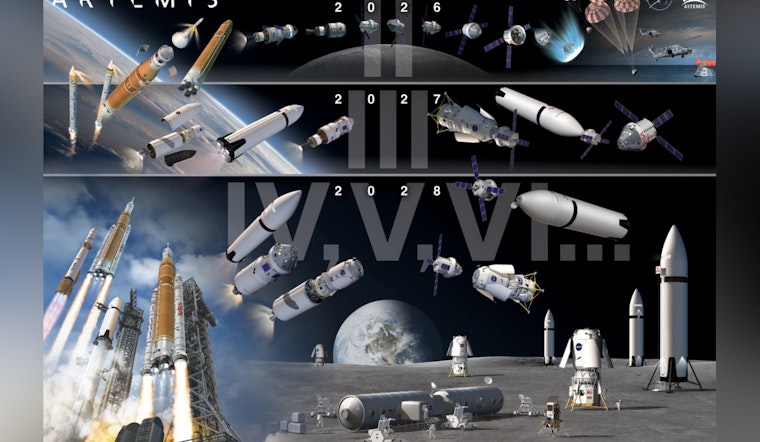
NASA continues to target early 2028 for the Artemis landing campaign that will return astronauts to the lunar surface, which means the participating-scientist team will be heavily involved in the run-up to those missions. The scientists will take part in pre-mission planning and then support live operations from mission centers during landings and surface activities, according to mission updates at NASA. For Stony Brook students and faculty, Glotch’s appointment opens the door for deeper involvement in both mission planning and post-mission analysis.
“I am incredibly honored to have been selected to join the Artemis lunar surface science team,” Glotch said in a statement to TBR News Media. University officials say the selection highlights Stony Brook’s decades-long strength in planetary science and gives students a front-row seat to the next era of lunar exploration.



