

























































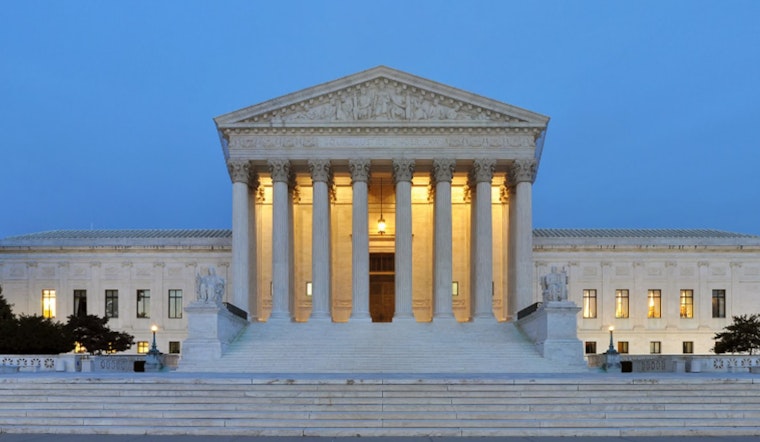
The U.S. Supreme Court on April 20, 2026, declined to hear an appeal from two Ludlow parents who challenged a school protocol that lets staff use a student's chosen name and pronouns at school without telling parents. The move keeps in place a 2022 federal trial-court dismissal and a 2025 ruling by the U.S. Court of Appeals for the First Circuit that rejected the parents' constitutional claims, which means the Ludlow district's nondisclosure practice stays on the books for now.
According to Reuters, petitioners Stephen Foote and Marissa Silvestri accused school officials of hiding their child's gender identity and argued that the nondisclosure policy violated their 14th Amendment parental rights. The Supreme Court's brief order on Monday denied review of the case, leaving the earlier rulings undisturbed.
How the dispute started
The case traces back to Baird Middle School in Ludlow, where an 11-year-old identified in court papers as B.F. told school staff they were genderqueer and asked to be called by a different name and set of pronouns while at school. Reporting and court records indicate the shift followed a library assignment and private conversations with staff, and the parents say they had previously asked educators not to discuss mental health issues with their child. The lawsuit names the Ludlow School Committee and several school employees as defendants, as reported by The Boston Globe.
What the appeals court said
In a per curiam opinion in February 2025, the First Circuit ruled that the parents had not plausibly alleged that the district's decision to honor a student's requested name and pronouns amounted to a form of medical or mental-health "treatment" that would require parental consent. The panel also wrote that "the Parents remain free to strive to mold their child according to the Parents' own beliefs," language the court used in turning aside the constitutional challenge. The opinion is available via GovInfo.
State lawyers and advocates weigh in
Massachusetts Attorney General Andrea Joy Campbell filed an amicus brief supporting Ludlow's approach and urging courts to defer to school officials' judgment about student safety and privacy, according to Mass.gov. The case attracted attention from across the political spectrum, with both civil-rights organizations and parental-rights groups submitting briefs and weighing in publicly.
What it means for parents and districts
The Supreme Court's decision not to take the case does not create a nationwide rule. It simply leaves the First Circuit's decision in place for the states within that court's reach. Conservative organizations, including the Alliance Defending Freedom, backed the parents' position, while LGBTQ advocates supported the district, Reuters reported. For now, Ludlow's protocol and the broader question of how schools juggle student privacy, safety and parental involvement will keep playing out in courts, statehouses and plenty of tense school meetings.


