

























































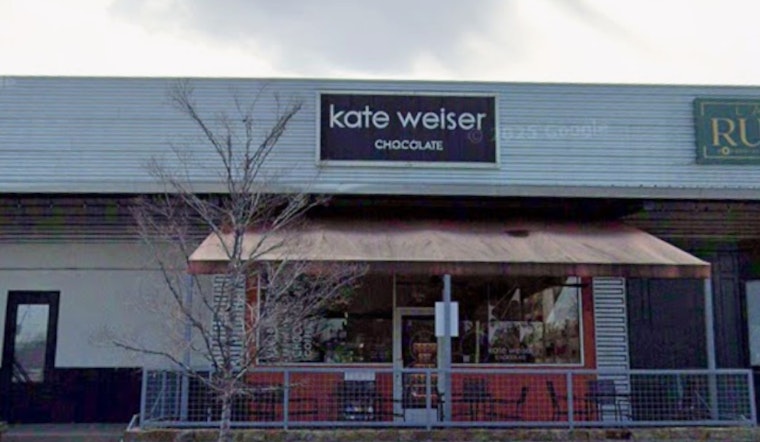
After 12 years of hand-painted bonbons and holiday sugar highs, Kate Weiser Chocolate is turning off the tempering machines in Dallas. Founder Kate Weiser announced yesterday that the company is ceasing operations, selling off remaining product and closing its retail counters once inventory is gone. For now, loyal fans can still snag treats at the Trinity Groves flagship and the NorthPark counter while supplies last.
According to The Dallas Morning News, Weiser told followers on Instagram that the business had become highly seasonal, labor-intensive and required a heavy financial lift to continue operating. The outlet reports that the company will sell through its remaining chocolates and keep taking online orders for a short period. Weiser said she is "deeply proud" of what the brand created and hinted that she may build something new in the future.
From Trinity Groves To NorthPark
Weiser launched her first brick-and-mortar shop in Trinity Groves in August 2014, then expanded to NorthPark Center and the Shops at Clearfork, growing from a modest market stall into a recognizable regional name. The history laid out on Kate Weiser Chocolate's About page highlights collaborations and retail placements, including a partnership with Neiman Marcus, that helped boost the brand's seasonal creations.
How To Buy What's Left
The Dallas Morning News notes that the Trinity Groves and NorthPark counters will remain open until our last chocolate is sold, and that the website will continue accepting orders through April 15, 2026. Fans of the seasonal "Carl the Snowman" can take some comfort: Weiser said the hot chocolate favorite will return to shelves at Central Market for at least one more holiday season in late 2026.
Why This Happened
Weiser's description of the company as highly seasonal and labor-intensive puts a spotlight on the squeeze facing specialty food businesses. Tight margins, staffing headaches and post-pandemic cost inflation have turned the heat up on small operations across the country. The U.S. Chamber of Commerce's Small Business Index and recent industry surveys indicate that many small businesses are wrestling with workforce issues and inflationary pressure, which can make year-round survival tricky for boutique, seasonal makers.




