

























































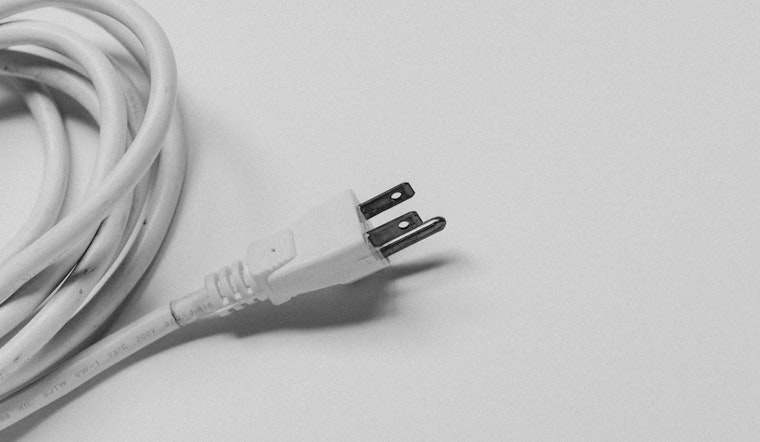
Tampa shoppers who picked up bargain extension cords online are being urged to check their garages and tool bins, as major marketplaces including Walmart, eBay and AliExpress have pulled listings for short, double-male extension cords that federal safety officials say are flat-out dangerous. The U.S. Consumer Product Safety Commission (CPSC) warns that these brightly colored cords, often blue, red or yellow with male plugs on both ends, can leave live metal prongs exposed and create a serious risk of electrocution or fire. The agency is telling consumers to stop using the cords immediately and dispose of them safely.
Retail platforms agree to delist hazardous listings
The CPSC says it has secured commitments from several major e-commerce platforms to remove male-to-male extension cords from their marketplaces and to block new listings for the same products, according to the U.S. Consumer Product Safety Commission. Several China-based sellers named in the agency’s notice did not respond to recall requests, according to the same release.
Federal officials are also asking the public to help flag problems. Consumers can report incidents and product defects directly to the CPSC at SaferProducts.gov.
Scope of the problem
At least eight recalls linked to similar male-to-male extension cords have already been reported, affecting roughly 3,100 units, as reported by WTSP. The outlets note that the cords have been sold under a variety of storefronts across multiple online marketplaces, raising concerns that hazardous listings can quietly reappear under new seller names.
Why electricians call them 'suicide cords'
According to the U.S. Consumer Product Safety Commission, these cords can become energized on the exposed end as soon as one plug is connected to power. Anyone who grabs the other end and touches the prongs can receive a severe electric shock.
The agency also points out that some people use these cords to backfeed portable generators into a home’s wiring. That work-around can bypass breaker protections and significantly increase the risk of fires or electrocution. The cords are often short, which may tempt users to run generators too close to homes, increasing the risk of carbon monoxide poisoning.
How to replace one safely
If you bought one of these cords, stop using it immediately and avoid touching exposed prongs when unplugging it. If you can do so safely, cut off the plug before throwing it away, so no one can fish it out and plug it in again. Replace it with a properly rated, UL-listed extension cord from a reputable manufacturer.
Underwriters Laboratories has specifically warned about non-compliant generator distribution cords and recommends using only cords that meet established safety standards to reduce the risk of fire or electric shock, per UL. If you have experienced an injury related to one of these cords, seek medical attention and follow the incident reporting guidance provided on the federal safety site linked above.





