

























































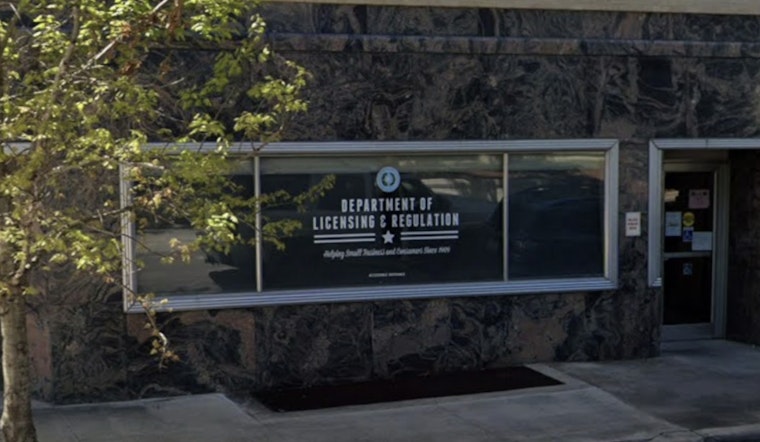
The Texas Department of Licensing and Regulation has pulled the plug on the state massage-therapy licensing exam in Simplified Chinese, a move officials say is meant to disrupt illicit massage operations linked to human trafficking. The change, announced to industry stakeholders in a notice last November, is now drawing fire from Asian American advocates who argue that legitimate students and workers are the ones getting squeezed.
According to ABC13, TDLR informed stakeholders in early November that it would no longer offer the Texas massage exam in Simplified Chinese. The agency’s notice, as cited by ABC13, said 59% of test takers used the Simplified Chinese version in fiscal 2024 and that the share rose to 62% in fiscal 2025. The document added that “language accommodation should be balanced against the risk of enabling bad actors” and called the exam change “a necessary step” to “disrupt organized criminal networks.”
Why The State Paused The Chinese Exam
TDLR introduced the Simplified Chinese exam option in mid-2023 after feedback from the massage industry, describing it at the time as a way to expand access and cut down on translation costs, as noted in the Texas Department of Licensing and Regulation Health Monitor. Now, the department says that patterns in how the test was used and administered created fraud and operational risks that could be exploited by organized networks.
Enforcement And The Crackdown
State regulators have stepped up enforcement against suspected illicit massage businesses in recent years, leaning on emergency orders and license revocations to shut down locations where trafficking is believed to be taking place. Most recently, investigators moved to revoke the license of a Plano massage school after finding alleged falsified student records and links to illegal parlors, according to CBS Texas.
Community groups warn that the policy shift will make it harder for non-English speakers to break into the profession, even as regulators argue it will help choke off illicit operations. ABC13 reported that the executive director of Asian Texans for Justice called the decision discriminatory, while a TDLR spokesperson told the station the move is aimed at protecting the public and disrupting organized criminal networks.
Legal And Regulatory Context
Recent legislative changes have given TDLR new tools when trafficking is suspected. As the Senate Research Center bill analysis explains, House Bill 3579 authorized TDLR’s executive director to issue emergency orders stopping a massage establishment’s operations when law enforcement or the agency believes trafficking is occurring, and follow-up measures are intended to let the agency pause related licensing decisions while investigations move forward.
What Students And Schools Should Know
Passing the required exam remains a key step for new applicants seeking Texas massage-therapy licensure, but existing licensees generally do not have to retake an exam to renew. Renewal instead centers on meeting continuing-education requirements and completing the state’s human-trafficking prevention training, as laid out by the Texas Department of Licensing and Regulation.
The decision highlights a larger tradeoff state officials are wrestling with: how to close off channels that traffickers may exploit without sidelining legitimate practitioners and students who depend on language access. Advocates, regulators and students are likely to keep pressing for clarity as Texas continues its crackdown on illicit massage businesses.





