

























































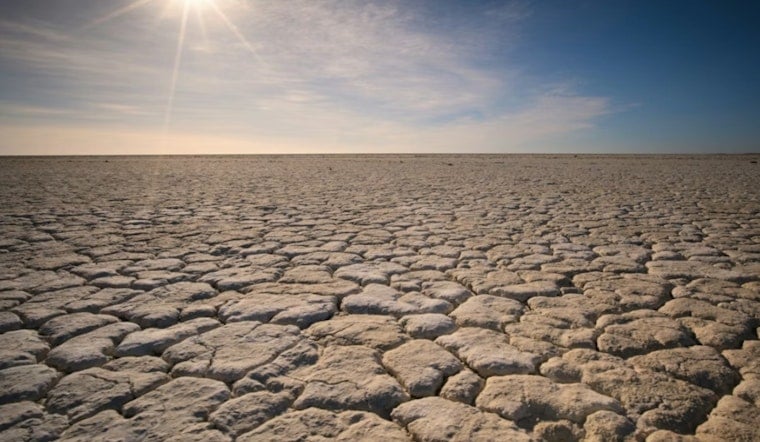
The U.S. Department of Agriculture has slapped a natural disaster label on 13 Utah counties after a bone-dry winter left hay fields thirsty, stock ponds low, and grazing options shrinking. The move, announced Thursday, opens the door to emergency loans for farmers and ranchers across central and southern Utah who are staring down a lean spring and summer.
USDA officials say the designation gives the Farm Service Agency a critical tool to extend short-term credit while producers tally up their losses and figure out how to keep operations afloat in the months ahead.
Counties covered and who can apply
The USDA named Beaver, Carbon, Duchesne, Emery, Garfield, Grand, Juab, Millard, San Juan, Sevier, Tooele, Uintah and Wayne as the primary natural disaster counties. It also listed Box Elder, Daggett, Davis, Iron, Kane, Piute, Salt Lake, Sanpete, Summit, Utah, Wasatch and Weber as contiguous counties that qualify for the same assistance. Neighbouring counties in Arizona, Colorado, Nevada and New Mexico are covered under related declarations, according to FOX 13.
Producers in all of those areas can now be considered for Farm Service Agency disaster loans, as long as they meet program requirements and can document eligible losses tied to the drought conditions.
What emergency loans cover
According to the Farm Service Agency, emergency loans can be used to cover essentials such as purchasing equipment or livestock, reorganizing a farm or ranch operation, or refinancing certain debts. Applications are reviewed “based on the extent of losses, available security, and repayment ability.”
The loans are designed as a financial bridge for producers who are otherwise viable but have taken a hit from disaster conditions. The agency stresses that applicants should be prepared with records and documentation showing how the drought has affected their operation.
Why the designation came now
The declaration follows weeks of worsening conditions across Utah’s agricultural belt. USDA data show large portions of the state stuck in extreme to exceptional drought, a trend flagged in the agency’s April crop report. State leaders have been sounding alarms about weak snowpack and tight water supplies heading into irrigation season, and Governor Spencer Cox has indicated that additional drought-related actions could be on the table if things do not improve, per FOX 13.
How farmers can get help
Producers looking for relief are urged to contact their local USDA Service Center or reach out directly to the Utah Farm Service Agency office for details on programs, deadlines and county contacts.
The USDA’s online tools, including the Disaster Assistance Discovery Tool and loan fact sheets on farmers.gov, can help farmers and ranchers sort through which programs best match their specific losses and needs.
The designation does not mean checks are automatically in the mail, but it does clear a path to low-interest credit that many small and mid-sized operations rely on to survive a bad year. Officials urge producers with losses to document damage, keep careful records of expenses and income, and connect with FSA county staff as soon as possible to start the process.


