

























































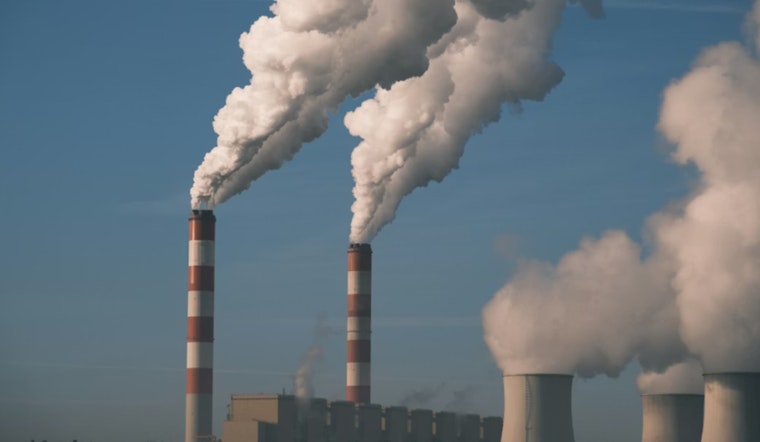
President Trump’s Environmental Protection Agency on Thursday rolled out a proposal to scale back Biden-era rules that govern coal ash, the heavy-metal waste left after coal is burned. The plan would dial back some monitoring and cleanup requirements and open the door to more reuse of the material. Supporters say the move will help protect grid reliability and give states and plant operators breathing room, while opponents warn it will keep the threat of arsenic, lead and other toxins hanging over wells and waterways near older power plants.
According to The Associated Press, the draft rule would relax standards for monitoring and safeguarding groundwater at some coal-ash sites, trim back cleanup responsibilities across entire plant properties and make it easier to reuse coal ash in construction and other projects. EPA Administrator Lee Zeldin described the proposal as part of an effort to “restore American energy dominance” and to give states and operators more latitude in how they manage coal-ash sites, the AP reported.
What the EPA says it will change
The agency has already been signaling regulatory relief through earlier steps, including deadline extensions for facility reporting and groundwater monitoring. A July 17, 2025 news release from EPA said certain monitoring deadlines would be pushed back and facilities would get more time to complete required evaluations. In that statement the agency called the measures “much needed regulatory relief for the power sector” and said related proposals would go out for public comment once they appeared in the Federal Register. EPA said the actions are meant to account for unique conditions at specific plants and to coordinate closely with state partners.
Which plants stand to benefit
Industry reporting suggests the draft changes are tailored to a relatively small set of baseload coal plants that utilities say are under pressure to close in the near term. One trade analysis cited in E&E News identified roughly a dozen facilities that could receive multi-year extensions before they must shut down unlined coal-ash ponds. Local examples highlighted by E&E News include the R.M. Schahfer Generating Station in northwest Indiana, where utility filings and residents have reported groundwater exceedances for contaminants such as arsenic and lithium.
Health and community concerns
Coal ash can contain arsenic, mercury, lead and other heavy metals that can taint groundwater and create cancer, developmental and other health risks for people who rely on nearby wells or eat fish caught in local waters, according to The Associated Press. “That’s the pollution threat that’s happening every day,” Nicholas Torrey, an attorney with the Southern Environmental Law Center, told the AP. The EPA’s original move to regulate coal ash came after high-profile disasters in Tennessee in 2008 and North Carolina in 2014 that showed how quickly ash can spread when storage ponds fail.
Legal and political fallout
Public-interest advocates have already lined up to challenge the rollback. In February, Earthjustice warned that delays and loosened requirements would allow “toxic waste” to keep leaking into water and said it planned to press the agency both through the public comment docket and, if necessary, in court. Earthjustice and other groups argue that the outcome of the rulemaking process, along with likely litigation, will decide whether the rollback ever fully takes effect or gets stopped in its tracks.
EPA officials contend the changes are needed to keep certain plants running so they can support the electric grid and meet surging demand in some regions. Community organizations counter that public health and clean-water protections are being traded away for short-term operational flexibility. Coverage in The Baltimore Sun and other outlets details the federal proposal and the on-the-ground stakes as the regulation moves through the public-comment phase.




