

























































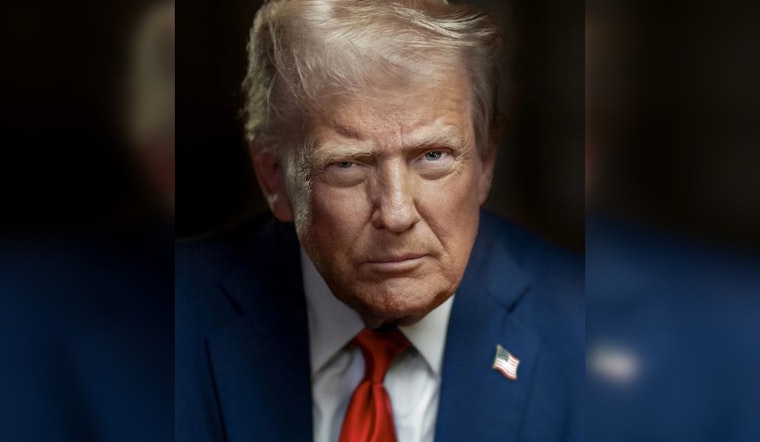
President Donald Trump on Tuesday signed an executive order that throws the federal government directly into the middle of how Americans vote by mail, directing agencies to build a nationwide, “verified” list of eligible voters and to clamp down on absentee-ballot rules. The order instructs the Department of Homeland Security, working with the Social Security Administration, to compile state-by-state voter lists and calls for mail ballots to be sent only in secure envelopes with unique barcodes so each one can be tracked. It also seeks to stop the U.S. Postal Service from sending absentee ballots to people who are not on a state’s approved list, a restriction legal experts say the White House is unlikely to be able to enforce. The directive is the latest move in the administration’s long-running effort to reshape mail voting ahead of the 2026 midterms.
What the order directs
The order instructs DHS to coordinate with the Social Security Administration to produce lists of “verified eligible voters” and asks federal agencies to scrutinize how states maintain their voter rolls, according to ClickOnDetroit. It would mandate secure, barcode-tracked envelopes so mailed ballots can be traced, and it would tighten the rules on who is allowed to receive absentee ballots by mail. How far that actually goes in practice depends on whether states agree to share their voter-roll data and on how courts treat any federal attempts to lean on them.
Low fraud, big controversy
Supporters argue these changes will shore up public trust in mailed ballots and make the system feel less chaotic. Critics counter that the rules could knock eligible voters out of the process if they lack the specific documents or access the order effectively requires. A 2025 analysis by the Brookings Institution found mail-ballot fraud occurred at about 0.000043% of mailed ballots, roughly four cases out of every 10 million, underscoring how rare proven mail-voting fraud has been. That gap between the tiny number of documented cases and the sweeping scope of the order sits at the core of the fight over whether these measures amount to needed safeguards or a solution in search of a problem.
Legal fight ahead
Voting-rights groups and state attorneys general are already signaling they will move quickly to challenge the order in court, arguing that the president cannot simply rewrite the rules for elections that states are constitutionally supposed to run. “The Constitution is very clear - the president has no power over elections in the states,” David Becker of the Center for Election Innovation and Research said, as reported by AP. Legal analysts at the Brennan Center for Justice have previously argued that earlier, similar directives exceeded presidential authority, and courts have already blocked parts of prior Trump election orders. If challengers ask for emergency relief this time, those same courts are likely to get another crack at the issue.
What voters should watch
For now the order mostly launches a process. Federal agencies will begin reviews, states will decide whether to cooperate with data requests, and the real showdown could land in federal courts or in Congress rather than in immediate nationwide changes to how mail ballots work. If states balk at turning over voter rolls or at following federal instructions, those conflicts will almost certainly play out in legal filings, not in local election offices overnight. Voters who rely on mailed ballots should keep an eye on updates from their local election officials and from their state secretary of state for any changes to absentee-ballot procedures as this legal and political battle moves forward.


.jpg)