

























































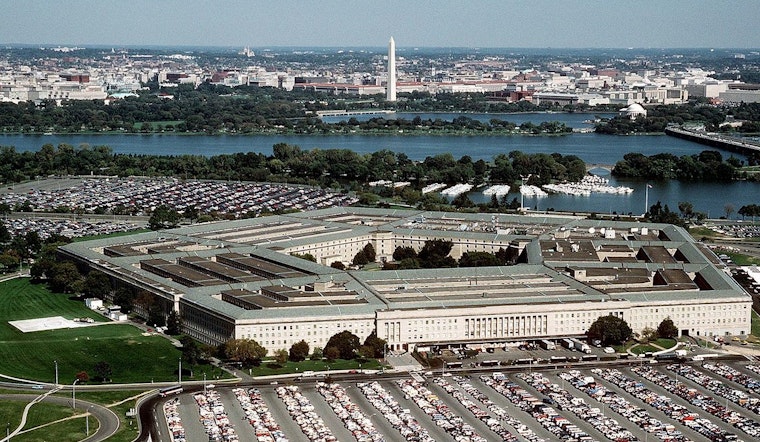
President Trump’s fiscal 2027 budget is set to drop Friday, and it is built around a whopper of a pivot toward the Pentagon at the expense of a long list of domestic programs. If Congress actually went along, defense outlays would climb to nearly $1.5 trillion, a jump big enough to rewrite the Pentagon’s shopping list and redefine the annual spending brawls on Capitol Hill. Lawmakers and budget analysts are already bracing for an intense fight over what gets cut, what survives and how any of it gets financed.
According to AP, the White House document, prepared by Budget Director Russ Vought, is meant to serve as a roadmap for Congress and would push Pentagon spending to about $1.5 trillion. The report notes that the Pentagon last month floated roughly $200 billion in additional funds for the war effort and to restock munitions and supplies. While any president’s budget request is more a statement of priorities than a binding plan, it still sets the opening terms for the spending bills lawmakers eventually have to pass.
How Big Is The Jump?
Trump’s $1.5 trillion target would mark roughly a 50 percent increase over the about $901 billion the military was allotted for 2026, a gap that startled budget watchers and helped shove defense contractors’ stocks higher, Reuters reported. Analysts quoted in that report said pulling off a surge on that scale would be a brutal political lift without clear offsets and would force lawmakers into stark choices among steep domestic cuts, new revenues or more borrowing. The White House has pointed to tariffs and a few other measures as possible ways to help pay the tab, but independent estimates suggest those ideas would cover only a slice of the proposed increase.
What Would Be Cut?
Per AP, the budget leans hard on reductions to non-defense domestic accounts. The president previously sought about a one-fifth cut in non-defense spending for the current year, even though some targets he once tried to zero out wound up with small bumps, including programs that help families cover energy bills. The report points out that the United States is already running nearly $2 trillion annual deficits and that the national debt has climbed beyond $39 trillion. It also notes that last year’s GOP tax package steered at least $150 billion toward Pentagon priorities and around $170 billion toward immigration and deportation operations at DHS, a combination that makes further large increases even trickier to pull off.
Fiscal Risks
Budget watchdogs warn this kind of price tag is not just big, it is compounding. The Committee for a Responsible Federal Budget estimates that locking in a $1.5 trillion defense baseline could add about $5.8 trillion to the national debt over the next decade once interest costs are factored in. That projection highlights the collision between aggressive military buildup plans and the government’s already heavy borrowing needs, a mix that analysts say could push interest payments higher and crowd out other discretionary spending. Even lawmakers who typically back higher defense budgets acknowledge that Congress would have to confront some painful trade-offs if it seriously entertains the White House proposal.
What Comes Next
The White House rollout will trigger months of committee markups, cost estimates and floor fights as appropriators and defense hawks test whether a 50 percent boost can survive the legislative grinder, The Washington Post reported. Republicans hold both chambers but are split between members eager to shower the Pentagon with new funds and colleagues nervous about soaring deficits or the political blowback from deep domestic cuts. Hearings with agency officials, fresh CBO scorekeeping and a long series of amendments are expected as Congress decides whether to follow the administration’s blueprint or chart its own path on spending.


