

























































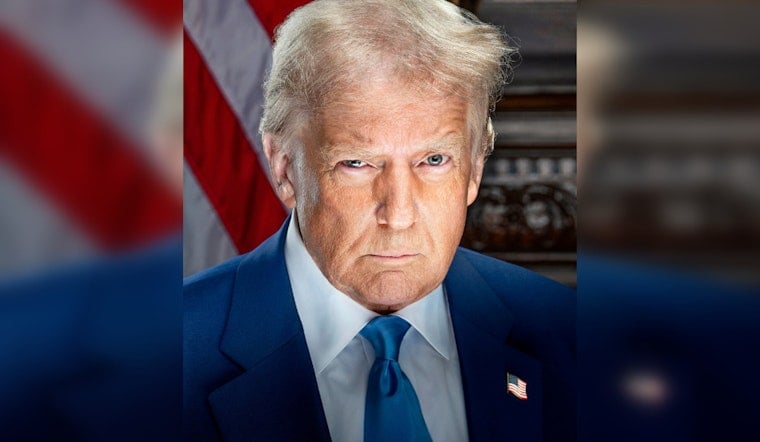
President Donald Trump said Thursday that the fragile pause in fighting between Israel and Hezbollah in southern Lebanon will stretch another three weeks, following a high-level sitdown at the White House. The Oval Office huddle came on the heels of ambassador-level talks that tried to turn a short breather into something closer to a real pause. The extension lands as reporting from the ground still paints the ceasefire as shaky, with civilians picking through damaged neighborhoods after recent strikes.
According to Reuters, Trump posted on Truth Social that "The Ceasefire between Israel and Lebanon will be extended by THREE WEEKS" after hosting the Israeli and Lebanese ambassadors in the Oval Office. Reuters described the gathering as a second round of U.S.-facilitated talks, meant mainly to buy time for broader negotiations between Beirut and Jerusalem.
Who Was In The Room
The Associated Press reported that Vice President J.D. Vance, Secretary of State Marco Rubio and the U.S. envoys to Israel and Lebanon were on hand when Trump made the call. In a social media post cited by AP, the president added, "The United States is going to work with Lebanon in order to help it protect itself from Hezbollah."
Where The Pause Came From
The limited truce was first rolled out last week and took effect April 16 as a 10-day pause that had been set to expire Monday, Axios reports. Axios notes that U.S. negotiators are betting the extra three weeks will create room for direct Israel-Lebanon talks while separate diplomacy grinds on toward a wider deal involving Iran.
The ceasefire extension arrives alongside tougher U.S. moves elsewhere. AP reported that Trump ordered American forces to "shoot and kill" small Iranian boats in the Strait of Hormuz and that the U.S. military seized a tanker linked to Iranian oil. Those steps drew sharp pushback from Tehran and added a new layer of difficulty to international efforts to keep the broader calm from unraveling.
Lebanon's Demands And The Ground Reality
Lebanese officials signaled they would use the extra time to press not only for a longer pause but also for an end to Israeli demolitions in southern towns, Reuters reported, citing comments from President Joseph Aoun's office. Humanitarian needs and reconstruction issues remain front and center as displaced residents begin returning to areas hit in recent weeks.
Trump also said he hopes to bring Israeli Prime Minister Benjamin Netanyahu and Lebanese President Joseph Aoun to Washington "in the near future" during the pause, a potential summit that Axios framed as a test of whether this temporary lull can be turned into something more lasting. For context on how short-term deals like this have been used as leverage, see Hoodline's earlier coverage of the administration's pause after Pakistan-brokered talks and a two-week truce that helped set the stage for the current diplomacy.


