

























































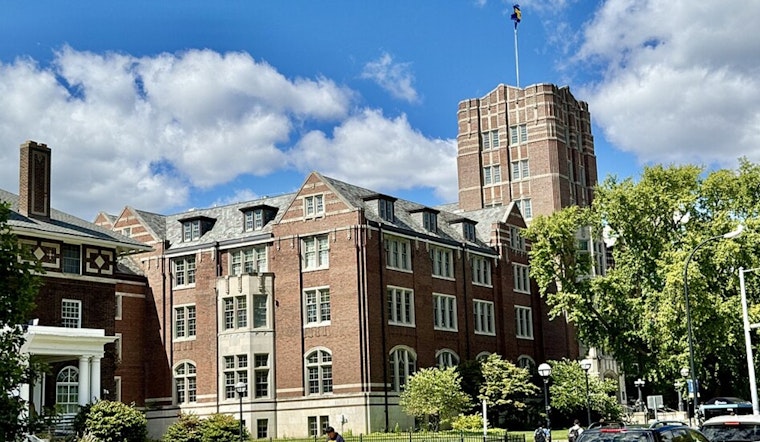
The University of Michigan has quietly shifted millions of dollars from its former diversity, equity and inclusion operation into its tuition‑free Go Blue Guarantee, more than doubling the amount of aid the program is handing out this year. That reallocation has pushed Go Blue awards to roughly $56 million and expanded free tuition to thousands more students across the Ann Arbor, Dearborn and Flint campuses. University leaders say the move follows last year’s decision to end the DEI initiative and is meant to put money straight into student affordability and support.
Big jump in aid
University data show the Go Blue Guarantee awarded an estimated $55.97 million to 6,387 students in 2026, up from $26.25 million to 3,786 students in 2025. That is an increase of 2,601 students, or nearly 70%, according to reporting by CBS News Detroit. Since its 2018 launch, the program has provided roughly $223.8 million in aid to about 25,796 students across the three campuses.
Where the dollars came from
The university says most of the expanded aid came from reallocating dollars that had backed its multimillion‑dollar DEI operation. That effort employed about 163 full‑time staff and cost roughly $15 million a year in salaries; after the DEI program ended, the university eliminated 14 positions and 36 other employees left in 2025. U‑M also reports that some of the redirected funds went toward campuswide technology and advising upgrades, including 24/7 AI tutoring and a personal AI assistant for campus members. The millions of dollars invested in the DEI initiative, "was refocused on the students, and the expansion of the Go Blue Guarantee is clearly a result of that refocus,” U‑M Board Chair Mark Bernstein told CBS News Detroit.
Who benefits now
The Go Blue Guarantee now offers free tuition to in‑state students from families with incomes up to $125,000 and assets below that threshold. U‑M says it also began covering the full cost of attendance, including housing, this year for students in teacher preparation, nursing and social work. The program operates on all three campuses, and the university’s program site outlines eligibility details, campus contacts and student success stories on the Go Blue Guarantee page.
Campus reaction
Not everyone sees the financial boost as a full substitute for what the DEI structure offered. Students and faculty have told reporters that earlier DEI programs provided mentorship, scholarships and move‑in events that helped underrepresented students feel they belonged on campus. “It feels like we’re going back,” one U‑M student told The Associated Press after the DEI offices were closed last year.
What to watch next
University leaders say they will continue to support key cultural spaces such as the Trotter Multicultural Center and the Spectrum Center while expanding mental‑health services and programs like the Blavin Scholars for students who experienced foster or kinship care. Wolverine Village, a new residence hall expected to open in the fall, is slated to include three multicultural lounges, and the university still has decisions pending about covering full costs for students in the School of Music, Theatre & Dance. For background on the 2025 decision to end the DEI initiative and the university’s stated rationale, see reporting by The Washington Post.





