

























































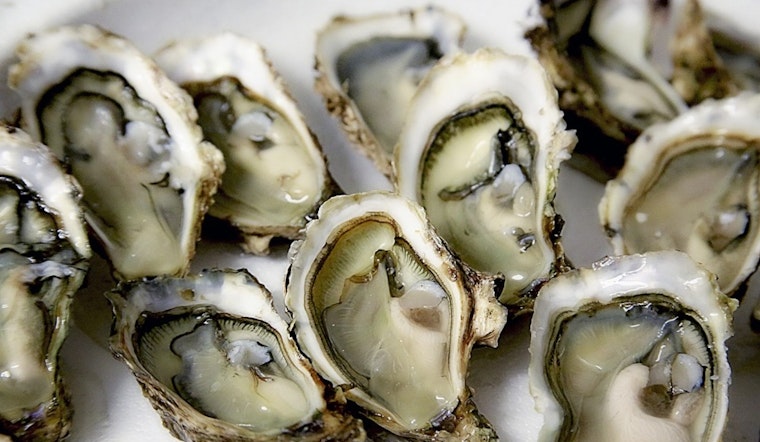
Along the North Carolina coast, oyster reefs are doing a lot more than serving as seafood real estate. A new University of North Carolina study finds that restored reefs are quietly locking away far more nitrogen than scientists expected, effectively acting as natural water-treatment plants with a price tag that could catch the eye of coastal managers.
By tracking nitrogen that gets buried deep in sediments, the research team concluded that this long-term storage is a major “sink” for pollution, right alongside the better-known process of denitrification. That extra service adds real financial value to restoration projects and gives local officials one more line to include in the “why this matters” column when they weigh coastal investments.
Published March 25 in PLOS One, the study analyzed sediment cores from 20 restored reefs in Back Sound and calculated annual nitrogen burial rates ranging from about 1 to 15 grams per square meter, with an average of roughly 6.4 g N m-2 y-1. Using avoided-cost methods, the authors estimated that nitrogen burial alone is worth about $1,700 per hectare each year. They concluded that adding burial to the ledger would boost previously published estimates of oyster-driven nitrogen removal by around 25-42%. On a coastal budget spreadsheet, that is not a rounding error.
How researchers measured nitrogen burial
The team worked with archived sediment cores from restored reefs in Middle Marsh and Back Sound, and, according to WUNC, the samples were originally collected in 2011 and 2014. They compared three basic setups: intertidal open flats, intertidal fringing reefs next to salt marshes, and subtidal reefs under water at all tides.
Open-flat intertidal reefs came out on top, burying the most nitrogen. That matters because, as lead author Anne Smiley put it in comments reported by WUNC, “There's a real Goldilocks effect with nitrogen, where too little is bad and too much of it is bad.” Oyster reefs, in other words, help keep the system in the “just right” zone.
Why burial changes the restoration math
Once nitrogen is packed below the biologically active layer of sediment, it is essentially off the field and no longer available to fuel harmful algal blooms. The paper reports burial rates that, in some cases, rival denitrification as a long-term nitrogen sink. The authors compared those burial numbers to municipal wastewater loads and then applied standard nutrient-credit values to calculate avoided treatment costs, arguing that oyster reefs can be a cost-effective partner to pipes, pumps and treatment plants.
The daily work of individual oysters helps set the stage. As NOAA Fisheries notes, a single adult oyster can filter up to about 50 gallons of seawater a day. That filtration moves nitrogen into and around reef structures where microbes and sediments can transform it or lock it away. Scaled up across a reef, that quiet housecleaning starts to look like serious infrastructure.
What’s next for researchers and managers
Smiley told WUNC she now plans to turn to older natural reefs to see how long this buried nitrogen actually stays put, whether for centuries or millennia. The answer will help determine how regulators and funders count long-term nutrient credits and how strongly they protect reefs that are already in place.
For coastal managers, the message is straightforward, even if the science behind it is not. Site selection and design matter. Choosing reef types and locations that maximize structure and oyster density appears to deliver the biggest nitrogen-burial payoff, on top of the better-known benefits of habitat, fisheries support and shoreline protection. In other words, picking the right spots for oysters could mean cleaner water and a better return on every restoration dollar.





