

























































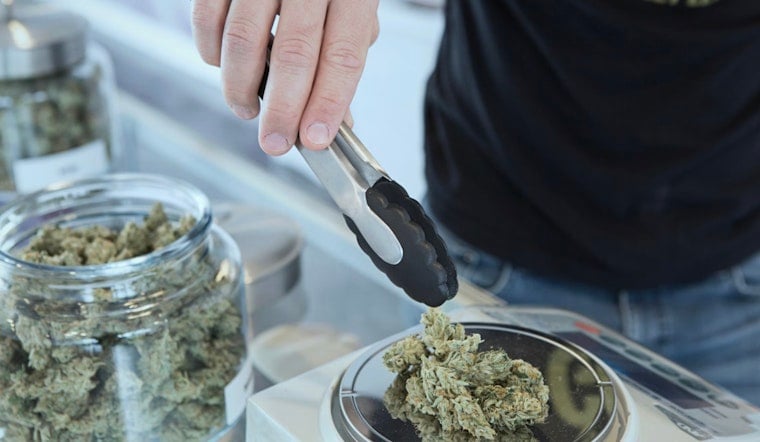
Pure Blossoms Cannabis quietly flipped its sign to "open" on Amsterdam Avenue this week, and with that simple move the Upper West Side landed what state officials are calling New York’s 600th licensed retail cannabis shop. The new storefront plugs into a fast growing network of regulated dispensaries that leaders say is finally starting to siphon customers away from unlicensed sellers. For neighbors, it is both a convenient new stop and a live experiment in whether long licensing delays and local rules can actually be smoothed out.
Owner Michael Rodriguez, a neighborhood native, says he effectively floated about a year of rent on the space while waiting for approvals, and that Pure Blossoms has now cleared the final hurdles to begin sales. He was part of a cohort that received conditional retail approval and reportedly sought a narrow exemption after inspectors found the site was just 12 inches inside a required buffer under a proximity rule, according to amNewYork. The opening caps years of state and city efforts aimed at steering cannabis customers into licensed shops instead of gray market operators.
The state’s official dispensary map lists Pure Blossoms at 716 Amsterdam Ave and shows a CAURD license on file for the business, confirming it as a state authorized retail location, according to the Office of Cannabis Management. The store’s own site also names 716 Amsterdam Avenue and posts hours for adults 21 and older, per the Pure Blossoms website. Taken together, the state listing and the operator’s page make clear the shop is open for in person sales.
Statewide Milestone and Sales
State officials used the Upper West Side debut to celebrate the five year anniversary of adult use legalization, saying the regulated market has generated about 3.3 billion dollars in retail sales and now tops 600 licensed dispensaries across New York, according to the New York State Office of the Governor. The same statement highlighted that Social and Economic Equity applicants hold a significant share of those licenses. The milestone underscores how quickly the legal footprint has grown even as agencies continue to stress enforcement against illicit storefronts.
Equity Programs and Local Push
Community groups have done much of the hand holding for would be operators navigating the new licensing maze. The Bronx Cannabis Hub reports that it screened hundreds of prospective applicants, accepted 40 people into its cohort and ultimately helped 27 secure conditional approvals, several of whom have already opened legal dispensaries. Rodriguez counted on that kind of community legal support, which advocates argue is essential if people most affected by past drug enforcement are going to take part in the new industry. That local pipeline helps explain how a neighborhood operator like Pure Blossoms made it over the finish line.
Regulatory Bottlenecks
The state’s own data show that the stretch between receiving a license and actually opening the doors can be lengthy. That lag has forced small operators to carry months of rent and build out expenses before they ring up a single sale, according to the OCM annual report. At the same time, the agency itself is in transition, with John Kagia serving as acting executive director in recent weeks, per City & State. Regulators say many of the delays boil down to logistics, from product testing and distribution to local permitting, even as enforcement teams keep working to clamp down on illegal sellers.
For Rodriguez, the story is more personal than bureaucratic. "I grew up on this block," he told reporters, according to amNewYork. Supporters of legalization say more licensed choices in neighborhoods like the Upper West Side could gradually undercut illicit shops, though many will be watching to see whether permitting and testing timelines keep slowing openings. For now, the neighborhood has one more legal option and regulators have another milestone to point to as the rollout continues.





