

























































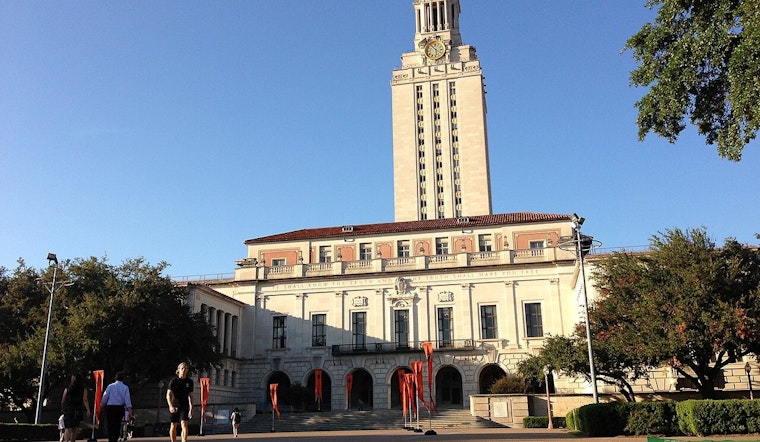
UT Austin researchers are pressing state regulators to treat autonomous vehicle safety as something you constantly maintain, not a box you check once and forget. Their timing is deliberate. Texas is shifting its rules so that companies will need formal state authorizations before they can run commercial robotaxis, with that authorization system becoming enforceable on May 28, 2026. In Austin, an early testing ground for several robotaxi programs, those rules could decide who actually hits the streets and how fast those fleets scale up.
Local coverage first pulled together the research and its timing. KXAN highlighted UT researchers calling for “adaptive continuously updated autonomous-vehicle safety standards” and described the group's prototype setups that mimic how robotaxi sensor stacks see the world. At the same time, Zoox, the Amazon-owned robotaxi maker, has already signaled testing and an early-rider program in Austin later this year, according to the company's public materials.
Inside UT Austin's Cockrell School of Engineering, the Center for Autonomy, led by professor Ufuk Topcu, argues that a static, one-time certification model will age quickly as autonomous systems learn and update in real time. “Autonomous systems are designed to operate in environments we cannot fully predict,” Topcu said. The team's multidisciplinary project looks at “lifelong” or dynamic certification so that safety guarantees can evolve alongside the systems themselves, as detailed by the Cockrell School of Engineering.
What Texas' New Authorizations Mean
Senate Bill 2807 hands the Texas Department of Motor Vehicles the power to issue and revoke authorizations for commercial automated vehicles, with the agency saying those new authorizations will be enforceable starting May 28, 2026. According to TxDMV, any operator that wants approval has to certify that its vehicles follow traffic laws, carry a required recording device, maintain motor-vehicle liability coverage or self-insurance, and file a first-responder plan with the Department of Public Safety. The agency also says it will take public complaints and can suspend or yank authorizations if an operation is found to threaten public safety.
Why Austin Matters
Austin already keeps tabs on several AV operators and runs an AV Safety Working Group that coordinates first-responder training, incident reporting, and infrastructure planning. In an August 2025 update, the city lists a Waymo fleet of more than 100 Jaguar I-Pace vehicles, roughly 20 Tesla Model Ys, plus other test vehicles. That same update notes that Texas Transportation Code 545.452 blocks cities from running their own AV permitting systems, so Austin instead works alongside state regulators and operators, according to the City of Austin. With that kind of local footprint already in place, UT teams are building prototype rigs and testbeds to study how these systems behave in the real world.
How Research And Rules Might Interact
The UT researchers say a dynamic certification model could mix staged rollouts, continuous monitoring, and runtime safety checks so regulators are not relying on a single, frozen-in-time test. Instead, they would receive a stream of updated evidence as systems learn and adapt. The UT Center for Autonomy pitches this approach as a way to build public trust and to let regulators and developers “interact more continuously” about safety boundaries as fleets scale up, according to the Center for Autonomy.
Legal Implications
The state authorization system centralizes permitting at TxDMV but leaves roadside enforcement to the Department of Public Safety and local police. That setup means operators could be hit with both administrative penalties and civil liability if there is a serious incident. As TxDMV explains, the onboard recording devices and proof of insurance or self-insurance will sit at the center of any investigation or legal claim, and the agency can suspend or revoke authorizations if it concludes that an operation is unsafe.
What To Watch Next
All eyes will be on the first authorization applications that TxDMV says it expects to accept in early May, and on any public notices about approved authorizations after May 28, 2026. Local officials say they will keep training first responders and gathering incident data while UT researchers expand their prototype testing. At the same time, companies such as Zoox are moving from pure testing fleets toward early-rider programs in Austin, according to the company's public pages.




