

























































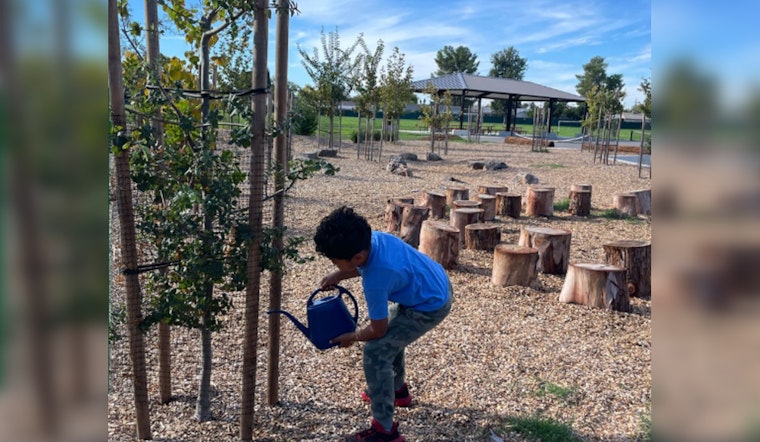
In a bid to cool down some of the San Fernando Valley’s hottest campuses, CAL FIRE has opened a targeted grant round that could turn bare asphalt schoolyards in the Aliso Canyon impact area into green, shaded outdoor classrooms. The program puts $13.5 million on the table for projects that cut heat and boost student health, with the application portal opened on April 1 and a deadline of May 29, 2026. Qualifying projects include tree planting, shade structures, new habitats, and full-on outdoor learning spaces.
How the grants work
According to grant guidelines from CAL FIRE, the Aliso Canyon Green Schoolyards solicitation reserves the $13.5 million for public TK–12 campuses in Porter Ranch, Granada Hills, Northridge, Chatsworth, North Hills, Canoga Park, Reseda, Winnetka, West Hills, Van Nuys, and Lake Balboa. Only local education agencies, local governments, special districts, and nonprofit organizations can apply, and awards require documentation such as a memorandum of understanding or school district resolution before any money moves. Applications must go through the eCivis Grants Network, and the package comes with templates and reporting requirements that grantees are expected to follow.
What kinds of projects qualify
In a Facebook post from CAL FIRE, the agency highlights tree planting, shade structures, habitat creation, and outdoor learning environments as eligible project types under the Aliso Canyon green schoolyards round. The post frames those upgrades as ways to reduce extreme heat on campus, expand access to outdoor classrooms, and offer both habitat and recreation for students and nearby residents. Applicants are urged to build in long-term maintenance and irrigation planning so new plantings can survive Southern California summers rather than baking on the blacktop.
Where the money came from
The Governor's Office of Land Use and Climate Innovation says the funding comes from the Aliso Canyon Recovery Account, which was set up after the 2015 Porter Ranch gas leak. Of that pot, $14 million was designated for Extreme Heat and Community Resilience projects in the affected neighborhoods. State materials and program documents show that Aliso Canyon recovery dollars are being funneled into green schoolyard investments in the communities hit hardest by the leak.
Applying for assistance
Applications must be filed through the eCivis Grants Network, and the portal is linked from CAL FIRE's Urban and Community Forestry grants page, which includes budget templates along with MOU and maintenance-plan forms. CAL FIRE also plans to host webinars and weekly office hours so districts, nonprofits, and other partners can get help sharpening their proposals during the application window.
Why this matters locally
State officials describe green schoolyards as a practical climate and health strategy, saying shaded and planted campuses reduce exposure to extreme heat and give students more chances for hands-on outdoor learning. The governor’s office and conservation groups have pointed to earlier Green Schoolyards funding rounds, including projects in Los Angeles and San Francisco Unified School Districts, as models for cooling down urban school sites while delivering wider community benefits. With the May 29, 2026, deadline, districts and school partners in the named San Fernando Valley neighborhoods have a relatively short runway to line up their plans if they want a piece of the Aliso Canyon recovery money.



