

























































For more than half a century, a set of bones found in the Nevada desert sat in a file as an unnamed homicide victim. Now, Las Vegas investigators say those remains belong to Anna Sylvia Just, a Canadian woman from Calgary who vanished in the late 1960s. The identification followed a cross-border push by Calgary cold-case detectives who tracked down Just’s elderly sister and secured a familial DNA sample that matched the long-unidentified remains. Metro detectives say the death was ruled a homicide and that they believe union boss Thomas Hanley and his son played a role in the killing.
How the remains were found and ruled a homicide
According to the Las Vegas Review-Journal, investigators opened a missing person report in 1968 after a suitcase and personal items tied to Just were discovered in the desert near Henderson. On June 7, 1970, children playing in the area found skeletal remains buried about a mile from where the luggage had turned up. The Clark County coroner determined that Just died from blunt force trauma to the skull, ruled the case a homicide, and kept the file open when the remains could not be identified at the time.
Genetic genealogy breaks the case
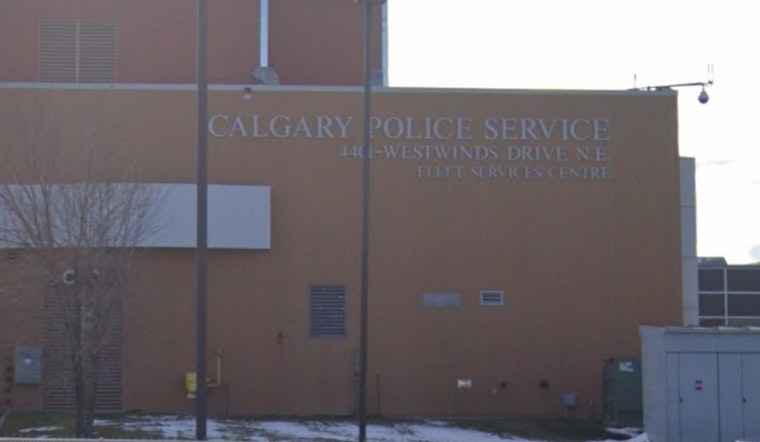
As outlined by the Calgary Police Service, the city’s Historical Homicide team reopened Just’s file and in October 2024 contacted the Las Vegas Metropolitan Police Department after records suggested she might have been in southern Nevada. Calgary detectives located Just’s then-95-year-old sister in November 2024, obtained a DNA sample with her consent, and used investigative genetic genealogy to compare it with the Nevada remains. The techniques produced a match in October 2025, finally giving the victim a name.
What investigators say they learned
LVMPD Homicide Unit detective Jarrod Grimmett told News 3 Las Vegas that Just "came to Vegas, got caught up in the lifestyle of the gambling and the fast paced lifestyle here at the time." Grimmett said that one of Hanley’s associates later gave police what he described as a "personal account" of the killing and tried to guide officers to a burial site.
Hanley ties and the city’s violent past
Historical reporting and court records tie Thomas Hanley to violent enforcement work and extortion schemes around Las Vegas during the 1960s and 1970s. He and his son later pleaded guilty in the 1977 kidnapping and murder of Culinary Union leader Al Bramlet, according to the Las Vegas Review-Journal. Historians say Hanley operated on the fringes of organized crime, relying on intimidation and crew-level muscle rather than holding rank inside a major crime family.
Family reaction and what comes next
Staff Sgt. Sean Gregson of the Calgary Police Service described the moment detectives told Just’s sister that her sibling had finally been identified. He recalled that the woman met investigators at the door with a simple, painful question: "are you here because of Sylvia?," according to the Calgary Police Service. Metro detectives have emphasized that the people they believe were involved in the homicide are already dead, yet they also stressed that "cases are never closed" and told News 3 Las Vegas that investigators will continue to review unsolved files.
Why the identification matters
The case is another example of how forensic advances and investigative genetic genealogy are reviving decades-old files and returning names to victims, a trend chronicled by national outlets such as Global News. Prosecutors say there are no living suspects to charge in Just’s killing, yet police note that the confirmation offers long-awaited closure for surviving relatives and adds one more documented chapter to Las Vegas’ darker history.





