

























































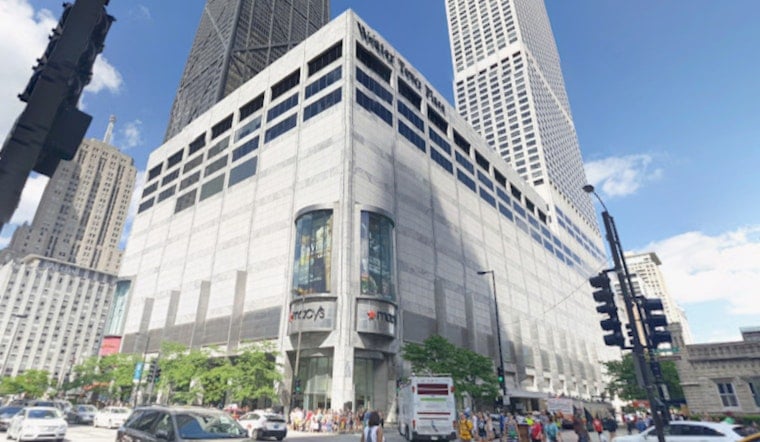
Water Tower Place, the 50-year-old vertical mall that helped define Chicago’s Magnificent Mile, is getting a massive $170 million rescue job. Owner MetLife Investment Management is moving ahead with a plan that shrinks traditional retail to the lower three floors and converts much of the upper space into offices and medical suites, all while keeping existing stores open during a carefully phased construction schedule.
What the plan includes
The overhaul aims to make the hulking mall feel less like a concrete fortress and more like a place people actually want to linger. Project leaders say the redesign will raise ceilings, pull in more natural light and carve out a new pedestrian arcade at street level to better connect Michigan Avenue foot traffic with the interior.
According to GlobeNewswire, MetLife has tapped retail architect Neumann/Smith and general contractor Pepper Construction to lead the work. Construction is slated to kick off in 2027, with a substantial wrap targeted for 2028. The plan leans heavily on smaller, flexible shop footprints designed to lure emerging brands that might have been scared off by the old, oversized spaces on Michigan Avenue.
How the announcement landed
Crain's Chicago Business first reported the redevelopment pitch, noting that MetLife is framing the project as an answer to a long-standing “supply gap” of right-sized retail on the Mag Mile. The company is also selling it as a way to keep the building relevant for another generation of tourists and locals. Crain’s reports that MetLife expects the redesign to pump more life into the street-level scene while finally putting the mall’s underused upper stories to work.
It comes after a rough stretch for the landmark. Macy’s shut down its long-running flagship at Water Tower Place in 2021, a symbolic blow that left a gaping hole in the tenant lineup. The building’s longtime operator then handed the keys back to its lender in 2022 as vacancies piled up. Block Club Chicago reported that local leaders, worried about a ghost mall in one of the city’s most visible spots, had been pushing for a plan that leaned on creative reuse of those rarely visited upper floors.
Market context
The timing might actually work in Water Tower Place’s favor. Industry data points to a broader Mag Mile recovery, with more leases getting signed and fresh attractions drawing people back to the strip. Analysts at CoStar project a notable drop in available retail space through 2026 as new deals soak up idle storefronts. Brokers told CoStar that experience-focused concepts and smaller-format brands are driving much of the action, which lines up neatly with MetLife’s “right-sized” retail strategy.
Public officials are cautiously cheering from the sidelines. Ald. Brian Hopkins has bluntly labeled the old vertical-mall formula as “past its prime,” while Magnificent Mile Association CEO Kimberly Bares has pointed to recent store openings and strong tourist traffic as signs that reinvestment can still pay off, according to Block Club Chicago. Both have framed the Water Tower Place plan as one piece of a bigger push to rethink the avenue rather than give up on it.
What to watch next
Project leaders say early-stage renderings are already in circulation, with a dedicated redevelopment page on the mall’s website set to carry updates as design work advances and permits start moving. The press release on GlobeNewswire directs the curious to shopwatertower.com for visuals and additional details.
On the ground, brokers and shoppers will be watching two things closely: which brands bite on the new, smaller storefronts along Michigan Avenue, and how aggressively medical and office tenants move into the upper floors. For regular visitors, the promise is a brighter, easier-to-navigate Water Tower Place with more energy at street level. For the Magnificent Mile, it is another high-stakes bet that downtown retail can be reshaped to fit a post-pandemic reality. Expect more detail on tenant rosters, construction phasing, and firm timelines as the project shifts from the drawing board into the permitting queue next year.





