

























































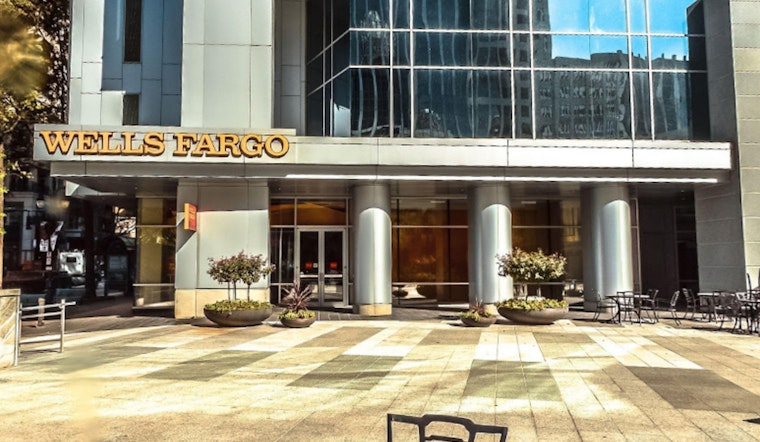
Wells Fargo is facing fresh scrutiny in Charlotte after a national financial watchdog concluded the bank turned down Black, Latino and Asian mortgage applicants in the city and across North Carolina at far higher rates than white borrowers between 2020 and 2024. The numbers are stark enough that community groups and consumer advocates are now pushing for regulators to dig into the bank’s underwriting and outreach practices.
What the report found
According to The Charlotte Observer, which reviewed a study from the Americans for Financial Reform Education Fund, Wells Fargo denied 20.5% of Black mortgage applicants in Charlotte from 2020 to 2024, along with 23.5% of Latino applicants and 16.2% of Asian applicants. By comparison, only 7.9% of white applicants were denied in the city over the same period.
The pattern held statewide. The study found denial rates of 22.5% for Black applicants, 25.6% for Latino applicants and 20.3% for Asian applicants across North Carolina, versus 10.1% for white applicants. The report also documents a sharp drop in the bank’s overall mortgage activity over those five years. A Wells Fargo spokesperson told the Observer the bank needed time to review the findings before offering a detailed response.
Why advocates say it’s urgent
The Americans for Financial Reform Education Fund is urging regulators and local officials to examine whether Wells Fargo is following fair-lending and civil-rights laws. The group is calling for deep reviews of the bank’s use of AI and algorithmic underwriting to ferret out any hidden racial bias, stronger outreach to Black, Latino and Asian communities, and better internal channels so employees can safely report suspected discrimination.
Americans for Financial Reform Education Fund also warned this week that recent federal rule changes will narrow how “disparate impact” cases are enforced, a shift advocates argue could make it tougher to challenge systemic discrimination even when clear racial gaps show up in the data.
Local imbalance
The report highlights how Wells Fargo’s mortgage business in the state is clustered in upper-income, majority-white neighborhoods. At the same time, Black and Latino adults together made up roughly 30% of North Carolina’s adult population during the study period but accounted for only 15% of the bank’s mortgage applicants in the state.
The Charlotte Observer notes that Wells Fargo employs about 27,000 people in the Charlotte region. Advocates say that kind of footprint comes with a responsibility to serve the city’s housing market more equitably, not less.
How the data were compiled
The analysis by Americans for Financial Reform Education Fund relies on federal Home Mortgage Disclosure Act data, the loan-level reports that mortgage lenders file each year. Those filings make it possible to compare application and approval patterns by race, income level and neighborhood across the industry.
The Consumer Financial Protection Bureau describes the HMDA dataset as the main public tool for spotting lending patterns and potential discrimination, and it provides the raw data lenders submit. Earlier work with the same data has raised similar red flags about Wells Fargo: a 2020 refinancing review cited in a Bloomberg investigation found the bank approved far fewer Black homeowners for refinancing than white homeowners.
What’s next
Americans for Financial Reform Education Fund is asking bank regulators, city officials and public partners to scrutinize Wells Fargo’s track record and consider responses that could range from audits of its underwriting systems to rethinking public contracts with the bank. Community groups say the findings make the case for tougher, more consistent fair-lending enforcement.
The study has already prompted local and statewide advocates to demand answers. The next move, they say, likely falls to the agencies that oversee fair-lending laws, which will decide whether the patterns in the data warrant a formal investigation into one of Charlotte’s most visible financial players.





