

























































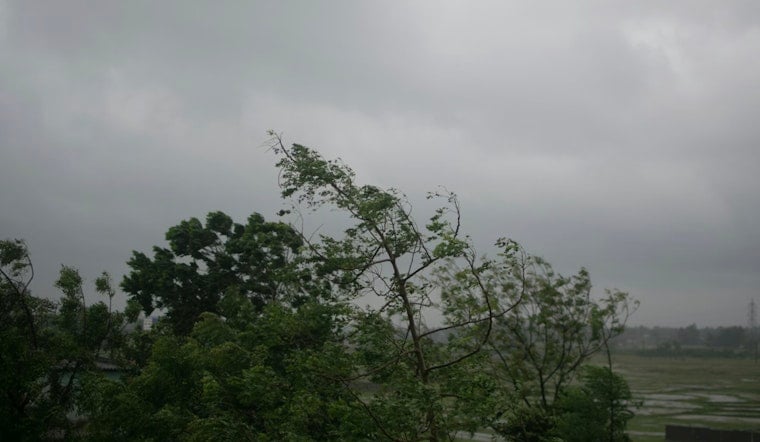
Strong gusts and driving rain turned parts of the Milwaukee area into an obstacle course on Monday afternoon, with toppled trees and downed lines knocking out power across the region. Utility crews fanned out through neighborhoods where limbs, poles and wires blocked streets, while residents navigated blocked roads and yards littered with branches as the lights went out in pockets across the city.
By 2:15 p.m. Monday, We Energies' outage map showed widespread problems across southeast Wisconsin: Milwaukee County with 45,252 customers without power; Racine County with 5,590; Waukesha County with 573; Washington County with 668; and Kenosha County with 505, according to WISN. The outlet reported that We Energies crews were moving quickly to repair the damage.
Storms Packed A Windy Punch
The outages followed a line of showers and embedded thunderstorms that, according to the National Weather Service, produced wind gusts up to 50 mph in parts of southeast Wisconsin. The agency issued Special Weather Statements warning that the gusts could knock down limbs and trigger isolated outages, per the National Weather Service.
How To Report An Outage And Stay Safe
Customers who lost power are urged to report outages through the We Energies outage map, the company’s mobile app, or by calling 800-662-4797. The utility also reminds people to stay at least 25 feet away from any downed wires and to treat every wire as live until crews say otherwise, according to We Energies.
Neighborhoods Covered In Branches And Debris
Local readers and reporters shared photos of uprooted trees and broken branches scattered across sidewalks, streets and yards in Milwaukee neighborhoods, giving a block-by-block look at the mess left behind. A gallery of community-submitted images highlighted both the scale of the tree damage and how localized some outages were, according to WISN.
Why Some Lights Come Back Faster Than Others
We Energies says crews focus first on making areas with downed equipment safe, then on repairing substations and restoring critical facilities before moving on to main distribution lines and, finally, individual service connections. Because roughly 30% of unexpected outages are linked to fallen trees and limbs, repairs can take longer in spots where multiple poles are damaged or where lines are difficult for crews to reach, according to We Energies.




