

























































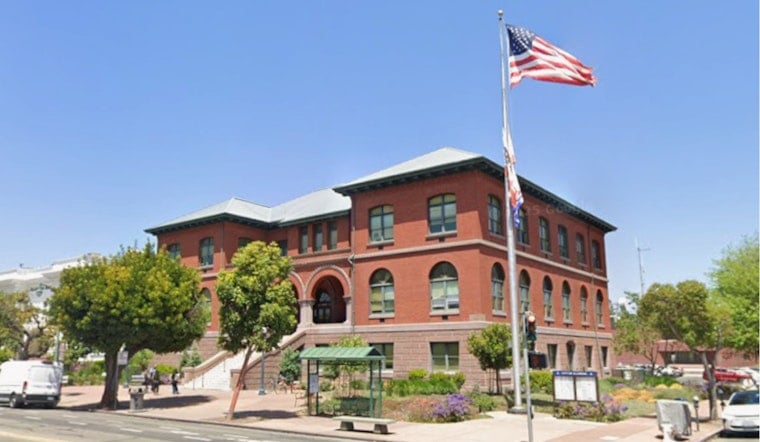
Alameda residents and permit applicants are being warned to watch their inboxes after a slick email scam circulated, purporting to be an official city bill and instructing recipients to wire money. The fake invoice demanded $5,600 and came dressed up with a professional layout, the invoice number 3450737552150, and the address 2263 Santa Clara Avenue. City staff spotted the fraud and are urging people to double-check any payment request with the city before sending a dime. The incident is the latest in a wave of permit-related phishing schemes targeting municipalities across the country.
Alameda's alert and example invoice
In a Facebook warning from the City of Alameda, officials noted that the bogus emails did not come from official @alamedaca.gov accounts, even though they included wire-transfer instructions and polished-looking logos. The post shares a sample invoice dated Monday for $5,600 that asks recipients to sign and return a copy along with proof of payment. The city is telling anyone who feels unsure about a bill or fee to contact staff directly to confirm that the request is legitimate before paying.
Scam mirrors an FBI advisory
The setup aligns with a broader scam that the FBI's Internet Crime Complaint Center flagged in March, in which fraudsters pose as city and county planning officials and use permit information to make their invoices appear legitimate, according to the FBI IC3. The advisory explains that scammers frequently push for payment by wire transfer, peer-to-peer apps, or cryptocurrency and often try to steer recipients away from calling official phone numbers. Agencies recommend that people verify payment instructions by phoning a known government contact rather than trusting any number or link that appears in a suspicious message.
How to spot a fake invoice
There are a few telltale signs that an invoice might be bogus. Red flags include email addresses that do not end with an official city domain, aggressive phrases like "due upon receipt," fuzzy or slightly altered logos, and any demand to pay by wire or crypto instead of using an official payment portal. Municipalities such as the City of Lafayette have posted examples of similar scams and warned that criminals often pull real application numbers and property addresses from public records to make their messages sound convincing. If something feels off, officials say not to click links or dial phone numbers listed in the sketchy email. Instead, use the contact information posted on the city's official website to confirm what is owed.
What to do if you get one
If a suspicious invoice does land in your inbox, the advice from IC3 and fraud experts is straightforward: do not reply and do not send money. Anyone who has already wired funds is urged to contact their bank right away and request a recall. Victims should also file a complaint with the FBI's Internet Crime Complaint Center and submit a report through the Federal Trade Commission's portal at ReportFraud.ftc.gov, which helps authorities track patterns and, in some cases, recover funds. Local police should also be notified, and officials are advised to keep the original email and any attachments intact for investigators.
Why this matters locally
Local applicants and small contractors are especially at risk because the scammers target open permit records and time their fake invoices to match application timelines, a pressure tactic documented in coverage from the Bellingham Herald. City officials say a quick verification call is often all it takes to prevent a loss, since wired funds can be moved out of fraudulent accounts quickly and are difficult to claw back. Alameda's alert aims to cut off these cons before they drain businesses and homeowners of thousands of dollars.
The City of Alameda is asking anyone who received a suspicious invoice to forward the message to city staff and to report any financial losses to law enforcement and IC3. Officials say that saving copies of suspicious emails and sticking to the city's official payment channels can go a long way toward shielding applicants and contractors from increasingly sophisticated scams. For the full text of the warning, see the original City of Alameda Facebook post.




