

























































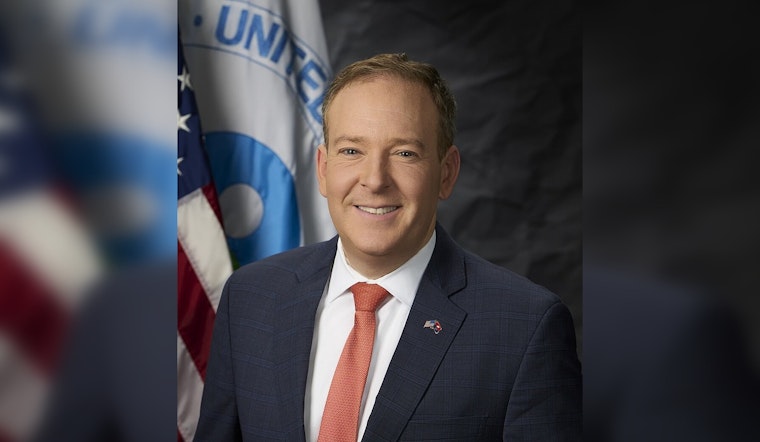
Administrator Lee Zeldin on Monday signed off on a package of revisions to federal oil and gas rules that scales back monitoring requirements and loosens limits on temporary flaring for producers. The changes, laid out in agency materials, are framed as a way to cut red tape and lower compliance costs for the energy sector while narrowing some of the tools regulators use to spot methane and other emissions. Environmental and public health groups quickly denounced the move as a rollback of protections for communities near drilling and production sites.
According to Tampa Free Press, the Environmental Protection Agency estimates the revisions will save the energy industry about $2.5 billion over the next 15 years, or roughly $208 million a year, by loosening parts of the agency’s 2024 oil and gas standards. Tampa Free Press reports that Zeldin finalized the revisions after reviewing petitions for reconsideration and a 45-day public comment period.
What the agency changed
The package zeroes in on two technical pillars of the 2024 rules: requirements for continuous monitoring of the net heating value (NHV) of vent gas for flares and enclosed combustion devices, and provisions designed to limit routine temporary flaring. As described in the Federal Register, the agency concluded those specific provisions warranted retooling after industry petitions raised operational and measurement concerns.
Tampa Free Press reports the final rule walks back continuous NHV monitoring, extends the temporary flaring window from 24 to 72 hours and creates an explicit path to grant additional extensions for “exigent” circumstances such as extreme weather, supply chain disruptions or staffing shortages. The outlet adds that the agency expects the changes to eliminate roughly 141,000 industry tests per year and that EPA officials do not expect the monitoring tweaks to change overall emissions.
Those changes follow an interim final rule and deadline extensions in late 2025 that the agency said reduced near term compliance costs. As detailed by the EPA, the earlier action was projected to save roughly $750 million. That step, together with the new revisions, fits inside a broader deregulatory agenda that has touched vehicle, power plant and water rules as well as oil and gas standards.
Legal fallout and politics
The rule changes arrive amid multiple legal challenges to the agency’s recent deregulatory moves, as state attorneys general along with public health and environmental groups file petitions and lawsuits seeking to block or review parallel rollbacks, including the high profile rescission of the 2009 Endangerment Finding. As WBUR reports, those court fights, joined by dozens of states and national groups, could determine whether the agency exceeded its statutory authority in rescinding or weakening protections.
Bottom line
For energy companies the changes offer immediate compliance relief. For advocates and many state officials the move represents another front in a larger fight over how much the EPA can change pollution rules without Congress. Expect litigation and more regulatory revisions as courts, states and industry press the agency’s next steps.





