

























































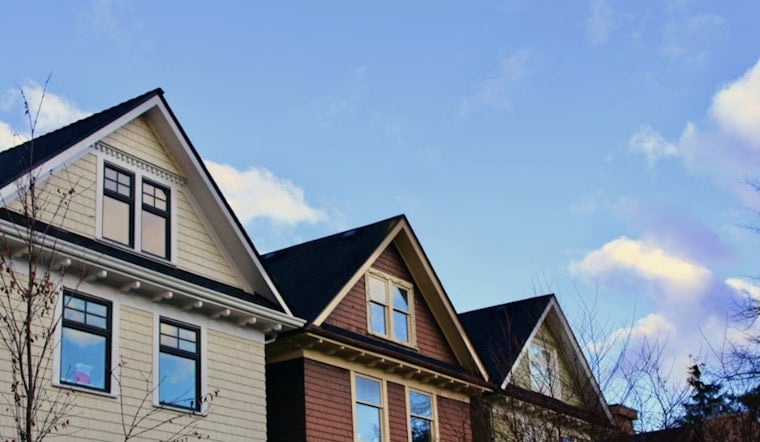
Windy Hill Development is lining up a 700-home community on roughly 273 acres just north of the town of Waller, a project that would drop a serious cluster of new rooftops along the US-290 corridor. The plan calls for lots with front widths between about 30 and 75 feet, geared to both entry-level and move-up buyers. The timing lands as Waller County takes on a surge of new subdivisions and industrial sites that are quickly reshaping its outer edges.
Windy Hill, led by Randy and Rachael Hall, lists the Waller-area tract as a “coming soon” community and promotes a slate of master-planned projects throughout Greater Houston. The developer’s website showcases multiple active neighborhoods and a lineup of national homebuilder partners. According to Windy Hill Development, the company’s model centers on building out infrastructure and delivering finished lots before handing communities over to builders.
Houston Business Journal reported that the proposal covers about 273 acres north of Waller and calls for roughly 700 homes on lots with frontages from around 30 to 75 feet. That coverage places the project squarely inside a broader wave of new housing and industrial investment now stacking up along the US-290 stretch.
Windy Hill has already been moving finished lots to big-name builders. In March, the company announced the sale of 92 fully developed lots to D.R. Horton and had previously sold lots to Lennar, underscoring that national builders are firmly in the hunt across the area. The developer has said it is planning thousands of residential lots across several Houston-area projects. GlobeNewswire detailed the March sale.
Why Waller?
Waller County ranks among the fastest-growing counties in Texas and has shown up on recent lists of the country’s top growth counties, which helps explain why developers are snapping up big tracts. The Texas Tribune reported that Waller’s population climbed sharply between 2020 and 2025, and local officials point to abundant land and highway access as major selling points. That demographic tailwind is a key reason builders are zeroing in on the US-290 corridor.
Sales data backs up the story on the ground. Local housing reports show that Waller’s early-2026 home transactions jumped nearly 99 percent year over year, with new construction making up a significant share of the activity. The article priced-out Houstonians stampede to far-edge suburbs and small towns noted that builders are trailing buyers who are being squeezed out of central neighborhoods and looking for more square footage for their money.
Schools, roads and flood risk
Large master-planned communities tend to kick off hard questions about school capacity, traffic and drainage, and Waller County officials are already working on updated flood mapping ahead of more growth. The Texas Water Development Board’s Flood Infrastructure Fund materials include a countywide restudy that lays out mapping and modeling needs and cites a Houston-Galveston Area Council projection that Waller County’s population could double by 2040. TWDB says the restudy will feed into new flood-risk estimates for streams and rivers across the county.
Timeline and what to watch
Windy Hill has not released a public construction schedule for the Waller tract, and the Houston Business Journal report did not pin down a firm timetable. For now, the best clues on when homes might hit the market will come from plat filings, builder announcements and county permitting records. Watching Waller County’s plat and permit logs, along with any press releases from national builders laying out floorplans and pricing, will offer the earliest signals.
Typically, once lot sales close, school district capacity studies and road project bids follow as the next steps to watch. That pattern is likely to repeat here.
Randy Hall, Windy Hill’s CEO, said in a company statement that the firm is “excited for the next phase of development” as it teams up with builders to bring new neighborhoods online, underscoring its strategy in regional production housing. GlobeNewswire carried that release, and county and school officials will now weigh the project’s permitting and infrastructure needs alongside ongoing housing demand.





