

























































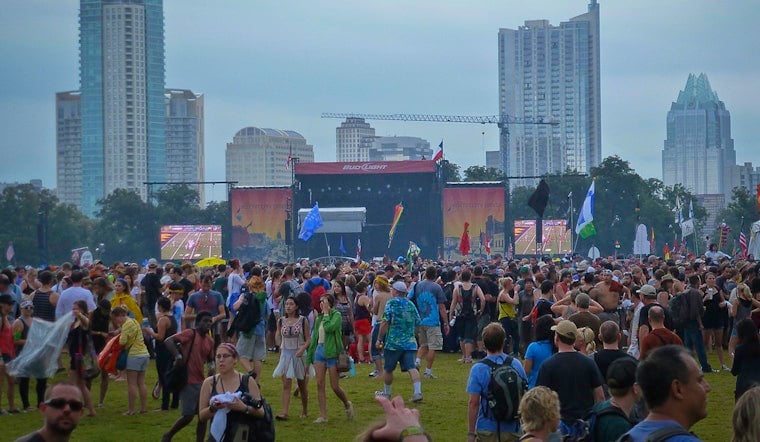
The two-weekend Austin City Limits Music Festival is sending roughly $8.5 million into Austin parks this year, with projects slated in all 10 City Council districts. The money is tagged for playground rebuilds, trail and greenbelt repairs, the city’s first all-abilities playground and the usual post-fest tuneup at Zilker Park. City and parks officials say the goal is to spread the benefits from East Austin neighborhoods to outer greenbelts and pocket parks, while also stressing that festival donations help pay for big capital projects but do not replace the dependable operating money parks need day to day.
As reported by KVUE, C3 Presents and the Austin Parks Foundation rolled out the $8.5 million figure and said proceeds will cover work that includes initial construction at Grand Meadow Neighborhood Park and a playground replacement at Rosewood Neighborhood Park. Organizers laid out the project list in a public presentation, according to officials who briefed reporters.
According to the Austin Parks Foundation, its long-running partnership with ACL has funneled tens of millions of dollars into local parks over roughly two decades, with a slice of every festival ticket earmarked for APF grants, volunteer programs and park projects across the city. The group says those dollars have backed both headline-grabbing builds and the less glamorous volunteer and maintenance support that helps keep projects moving.
Where The Money Will Go
Officials and coverage of the announcement highlighted a roster of projects to be funded or nudged forward: phase-one construction at Grand Meadow Neighborhood Park, design and permitting for Jamestown Neighborhood Park, historic cabin restoration and a new playscape at Rosewood Neighborhood Park, Austin’s first all-abilities playground at Onion Creek Metro Park, trail and stewardship work in Little Walnut Creek and other greenbelts, sport-court and field repairs in multiple neighborhoods and the routine restoration Zilker Park needs after ACL wraps. Those details were laid out in local reporting on the announcement, and Austin Monitor documented many of the same projects when the partners presented the funding package.
Big Impact, Small City Fee
The festival’s overall economic footprint is massive: an independent analysis tied to the ACL partnership pegged roughly $534 to $535 million in local economic activity linked to the event in its most recent report, with millions of those dollars running through hospitality, retail and service sectors. Community Impact cited the Angelou Economics report when covering both the economic boost and the new round of park funding.
Questions Over Oversight
Some park advocates are less than starstruck, arguing that steering millions through a private nonprofit raises concerns about transparency and oversight, and pointing out that the city itself collects relatively modest base fees compared with the sums directed to the Austin Parks Foundation. Austin Free Press has detailed critics’ calls for more disclosure around how the money is handled, while APF says it makes allocation decisions in coordination with the Parks and Recreation Department and that some projects need multi-year planning to land.
Timeline And Next Steps
City and foundation staff say design work, permitting and community engagement will dictate when each project can break ground, with several of the bigger efforts expected to roll out in phases over multiple years as approvals and matching funds line up. The city’s project page for Rosewood Neighborhood Park notes active playground and pavilion work as part of a larger renovation schedule, offering a snapshot of how funded projects can move from planning to construction in steps. City of Austin materials show community input and permitting are baked into that process.
At the public presentation, the mayor and several council members praised the ACL partnership while repeating a familiar caveat: festival checks are just one piece of a much bigger parks-funding puzzle, and stable operational dollars remain a priority heading into upcoming budget talks. Austin Monitor reported the mayor’s comments at the check handoff and the partners’ commitment to keep pushing projects across all 10 council districts.




