

























































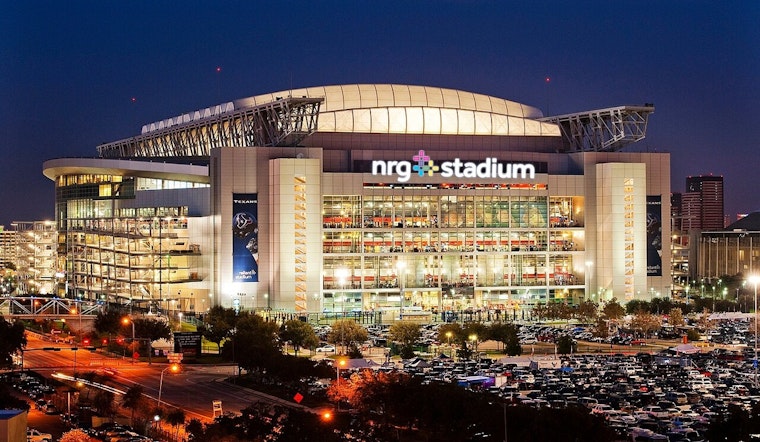
AI-powered ticket sharks are circling Houston soccer fans, setting up slick fake sales pages and blasting out urgent texts that demand payment on the spot. The scams are leaving hopeful buyers out cash and out of seats at NRG Stadium, as counterfeit sites start to look every bit as polished as the real thing. Local ticket brokers and security analysts say the grifters have upgraded from sketchy graphics to professional layouts, which makes the cons tougher to spot. Below are the tactics to watch for and the safest ways to buy or watch matches in Houston.
Generative AI can now clone official ticketing websites in minutes, blurring the line between real and fake, according to Fox 26 Houston. The station quoted Barbara Stewart saying "AI has increased the quality of counterfeit images and sites," and Transaction Network Services' John Haraburda warned that scammers use high-pressure texts claiming a sale will expire in the "next 10 hours" or the "next ten minutes." Those messages often push buyers toward untraceable payments or to enter banking information on cloned pages. Reporting from Fox 26 shows Houston-targeted text campaigns and lookalike sites are accelerating as kickoff nears.
Because the fake sites look so convincing, experts say the safest move is to stick to official channels and ignore everything else. As outlined by FindLaw, FIFA.com/tickets and the FIFA Ticket Exchange Marketplace are the secure routes, and tickets are delivered and managed inside FIFA’s official app instead of as emailed PDFs or printable paper. Cybersecurity firms have echoed the same warning, and Kaspersky's research is highlighted in coverage by TechRadar. Federal agents have also been sounding the alarm on counterfeit gear and bogus ticket offers nationwide, with fake World Cup gear everywhere serving as a warning sign for fans.
Spot the red flags
High-pressure tactics are your first clue that something is off. Sellers who demand you pay immediately, insist on Zelle, CashApp or crypto, or refuse to transfer a ticket through the official app are likely running a scam. Local ticket broker Kayla Ramsey told KPRC Click2Houston that fake paper printouts, screenshots and oddly formatted barcodes are classic giveaways. It also pays to stare at the URL for a second. A tiny typo, extra word, or strange domain often gives away a clone site. And if an ad promises "guaranteed" seats for far below market prices, that bargain is probably fake too.
What to do if you were scammed
If you get burned, start by preserving every scrap of evidence you have. Save receipts, screenshots, text messages and the seller's contact details, then contact your bank or card issuer immediately to dispute any charges. The FTC and legal guides recommend reporting fraud to the FTC at reportfraud.ftc.gov and filing a police report so there is an official record. If you paid with a credit card you may have dispute protections and a chance at a chargeback, according to FindLaw. You should also notify FIFA or the authorised resale platform so suspicious listings can be flagged and other fans are not caught in the same trap.
Safe ways to watch in Houston
If a verified match ticket is out of reach, Houston's official FIFA Fan Festival in East Downtown offers a stress-free backup plan. The host committee's event page says the festival is free, open on all 34 match days, and located squarely in fan-friendly territory. According to the site, gates open 90 minutes before the first match and the page lays out security rules, bag policies and transit guidance, giving locals and visitors a clearly marked, scam-free option. You can find the specifics on the FWC26 Houston page. When you do buy tickets, the single best test is whether the listing can be transferred into your FIFA app account. If the seller cannot or will not do that, walk away.
Bottom line, if a deal feels rushed or hinges on non-traceable money, it is almost certainly a scam. When in doubt, type FIFA.com/tickets directly into your browser and use only the official FIFA app or authorised resale marketplace.





